
Common Pressure Washing Mistakes and How to Avoid Them


Understanding Pressure Washing Mistakes
Pressure washing is a powerful cleaning method, but it's essential to use it correctly to avoid damage. Many homeowners make common mistakes that lead to costly repairs. This post outlines these errors and provides tips on how to avoid them, ensuring a successful pressure washing experience.
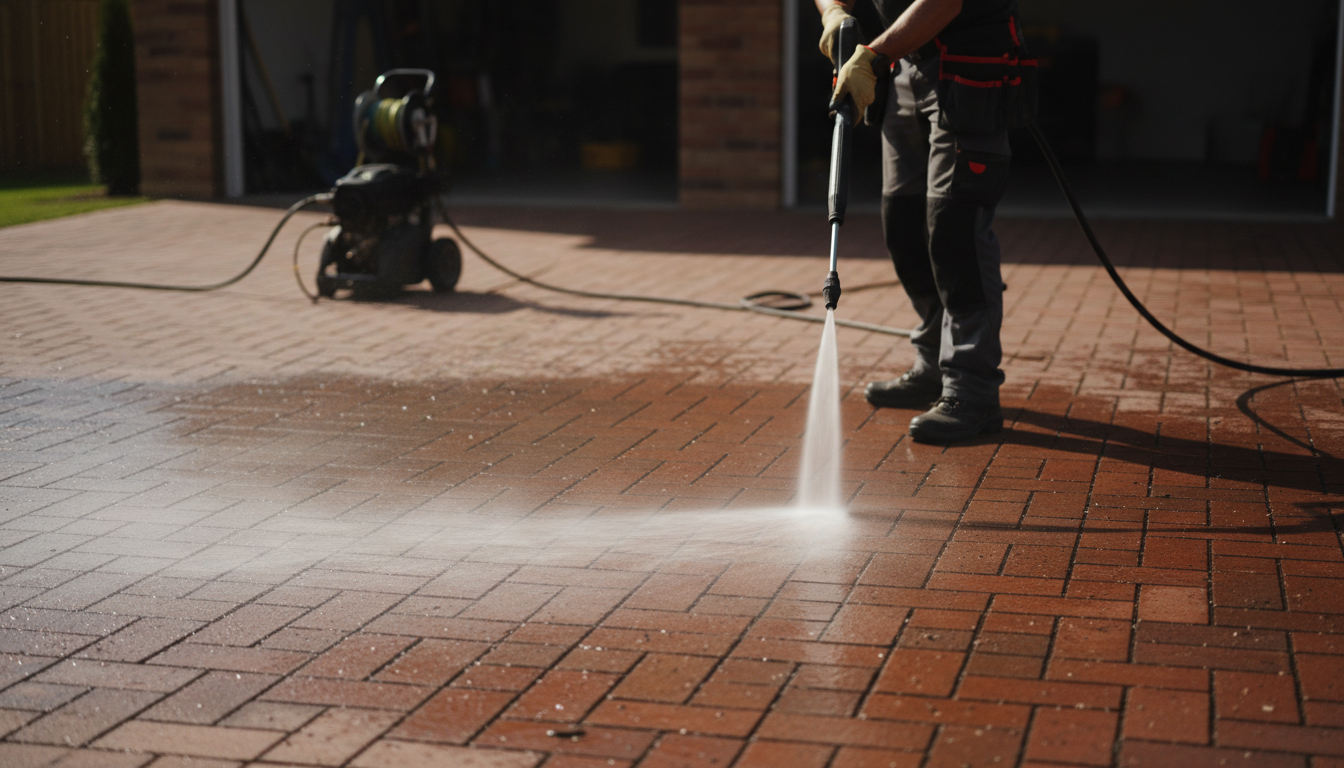
Using Too Much Pressure
One of the most frequent mistakes is applying too much pressure. High pressure can strip paint, damage wood, and even crack surfaces like concrete. It's crucial to understand the appropriate pressure settings for different materials. Always start with a lower pressure setting and gradually increase if necessary.
To avoid this mistake, consult the manufacturer's guidelines or seek professional advice. Investing in a pressure washer with adjustable settings can also help manage pressure levels effectively.
Neglecting Safety Measures
Safety is paramount when operating a pressure washer. Many users overlook the importance of protective gear, which can lead to injuries. Always wear safety goggles, gloves, and sturdy footwear to protect against flying debris and chemicals.
Additionally, ensure the surrounding area is clear of obstacles and bystanders. Proper handling and awareness can prevent accidents and injuries.

Improper Cleaning Techniques
Another common mistake is using improper cleaning techniques. For instance, holding the nozzle too close to the surface can cause streaking or etching. Maintain a consistent distance, usually around 6 to 12 inches, depending on the surface and pressure level.
Using the correct nozzle is vital. A nozzle with too narrow a spray pattern can concentrate pressure and damage surfaces. Familiarize yourself with the different nozzle types and their appropriate applications to avoid this issue.
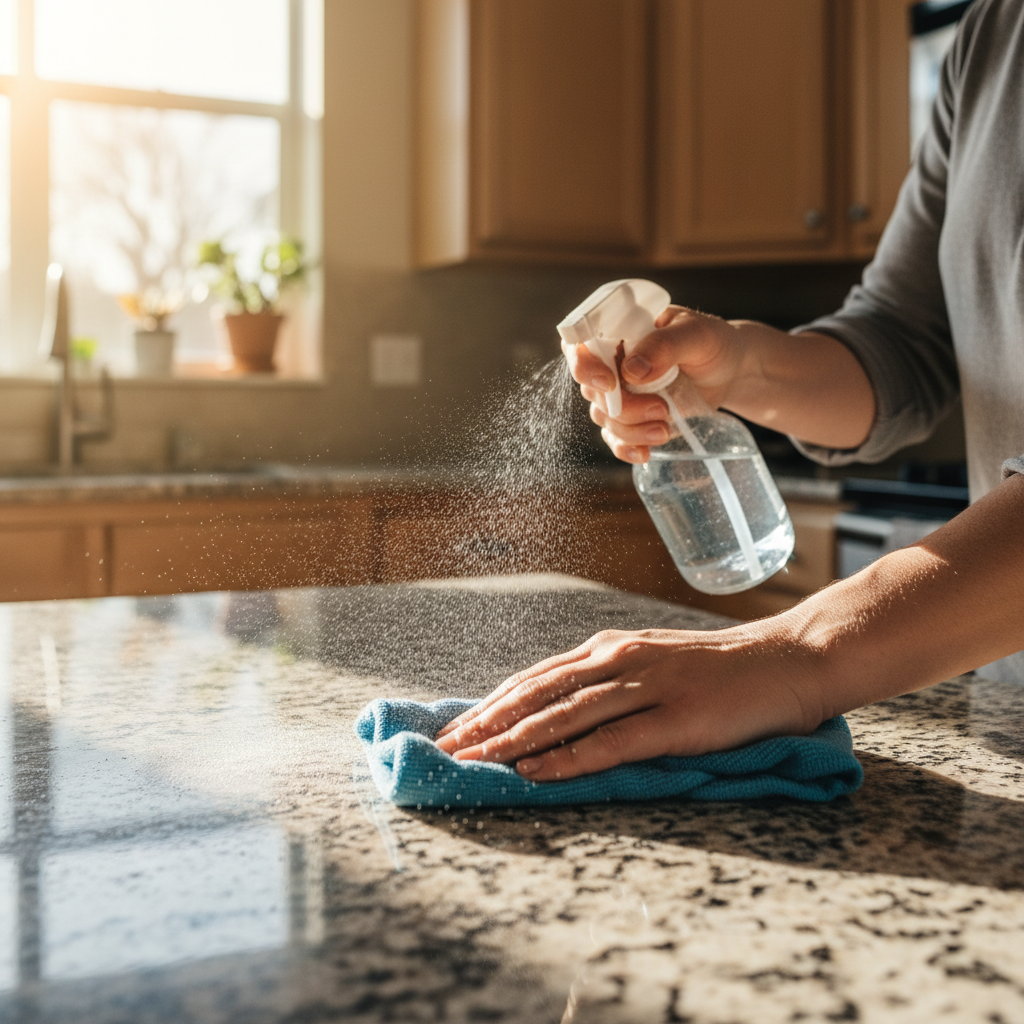
Ignoring Environmental Impact
Pressure washing can have an environmental impact if not managed responsibly. Avoid using harsh chemicals that can harm surrounding plants and wildlife. Opt for environmentally friendly detergents and be mindful of water runoff, especially if cleaning near gardens or water bodies.
Contain and properly dispose of wastewater to prevent pollution. Being environmentally conscious not only protects nature but also reflects responsible cleaning practices.
Conclusion
Pressure washing can be an effective method for maintaining and restoring surfaces when done correctly. By avoiding these common mistakes, you can ensure a safe, efficient, and eco-friendly cleaning process. Whether you're a seasoned pro or a first-time user, taking the time to understand your equipment and surroundings will lead to better results and a more satisfying experience.