
DIY Pressure Washing: Tips and Tricks for Beginners


Getting Started with DIY Pressure Washing
Pressure washing is a fantastic way to rejuvenate your home's exterior surfaces, from driveways to decks. For beginners, it can seem a bit daunting, but with the right tips and tricks, you'll be cleaning like a pro in no time. In this guide, we'll walk you through the essential steps to get started with DIY pressure washing.
Choosing the Right Pressure Washer
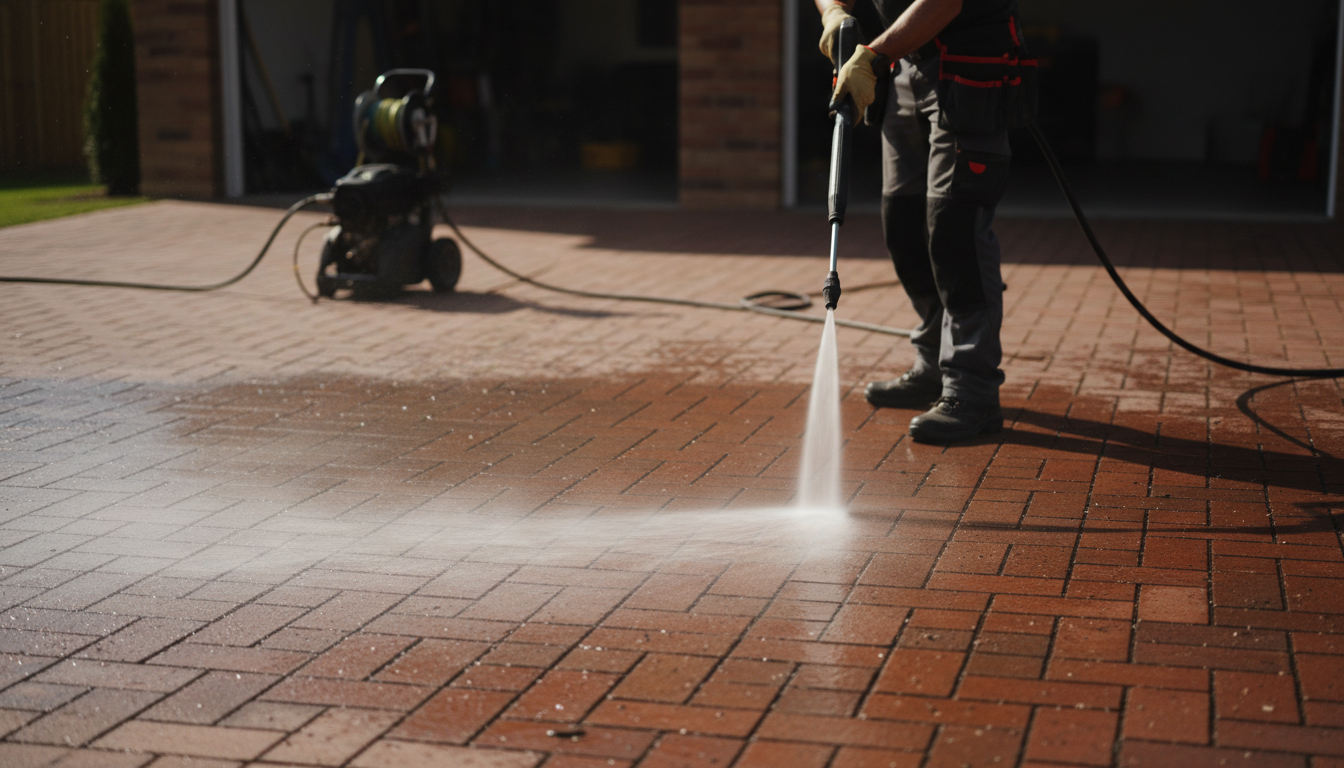
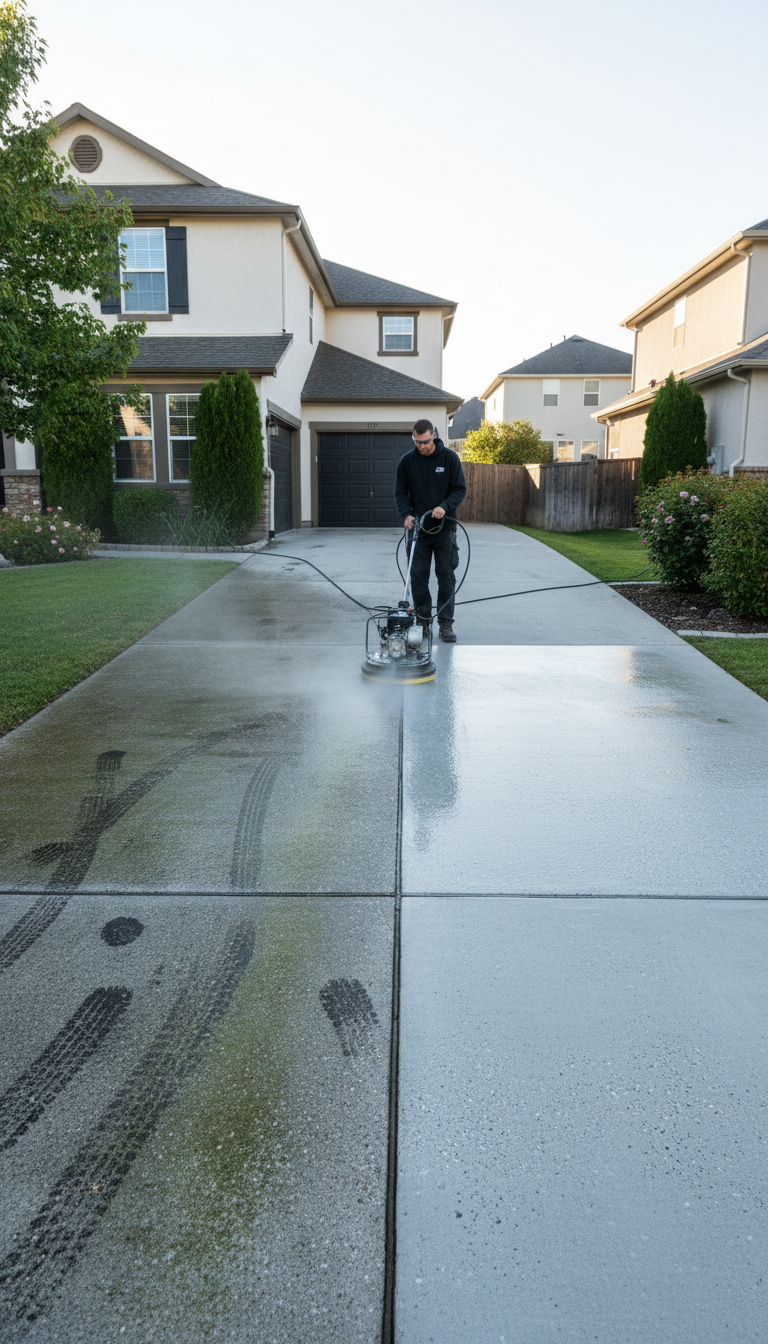
Before diving into pressure washing, it's crucial to select the appropriate machine for your needs. Pressure washers come in various types and power levels. For most home projects, an electric pressure washer with a pressure range of 1,500 to 2,000 PSI is adequate. However, for tougher tasks like cleaning concrete, a gas-powered model might be more effective.
Consider factors such as portability, ease of use, and available attachments. Always read the manufacturer's instructions to ensure proper usage and safety.
Proper Safety Precautions
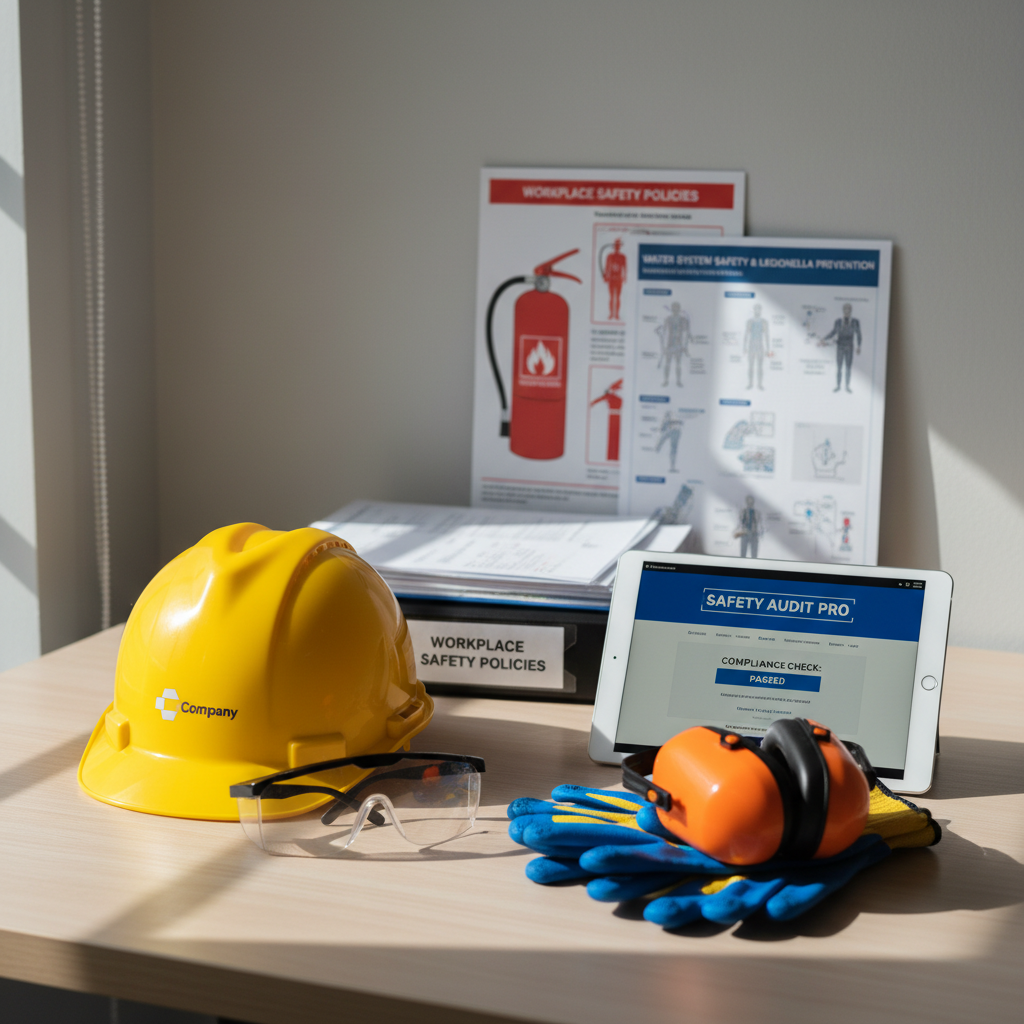
Safety should always be a top priority when operating a pressure washer. Wear protective gear, including gloves, goggles, and sturdy footwear. Be cautious of the powerful water stream, as it can cause injuries or damage surfaces if misused.
Additionally, keep a safe distance from electrical outlets and be mindful of any trip hazards from hoses or cords. Never point the nozzle at yourself or others.
Preparing the Area
Before you start pressure washing, take the time to prepare the area. Remove any loose debris, furniture, or plants from the vicinity to prevent damage. Cover delicate plants and windows with plastic sheets or tarps to protect them from the high-pressure water.
It's also a good idea to do a test in a small, inconspicuous area to ensure the pressure won't damage the surface you're cleaning.
Effective Pressure Washing Techniques
When pressure washing, use a sweeping motion and maintain a consistent distance from the surface. Start with a wider spray nozzle, and if more power is needed, switch to a narrower one. Keep the nozzle moving to avoid gouging or streaking the surface.
For stubborn stains, consider using a detergent specifically designed for pressure washers. Apply it with the washer's soap nozzle, let it sit for a few minutes, then rinse thoroughly.
Finishing Up and Maintenance
After completing your pressure washing task, it's essential to properly maintain your equipment. Rinse out any detergent, disconnect hoses, and store the pressure washer in a dry, safe place. Regular maintenance will extend the life of your machine and ensure it performs efficiently for future projects.
By following these tips and tricks, you'll be well on your way to mastering DIY pressure washing, keeping your home looking its best year-round. Happy cleaning!