
DIY Pressure Washing: Tips and Tricks for Beginners in Springfield


Getting Started with Pressure Washing
If you're new to pressure washing, you're in for a rewarding experience. Revitalizing your home or driveway with a powerful stream of water can be satisfying and effective. Before you dive in, it's essential to understand the basics to ensure safety and efficiency. In Springfield, where the weather can lead to various outdoor cleaning challenges, pressure washing is particularly useful.
Understanding Your Equipment
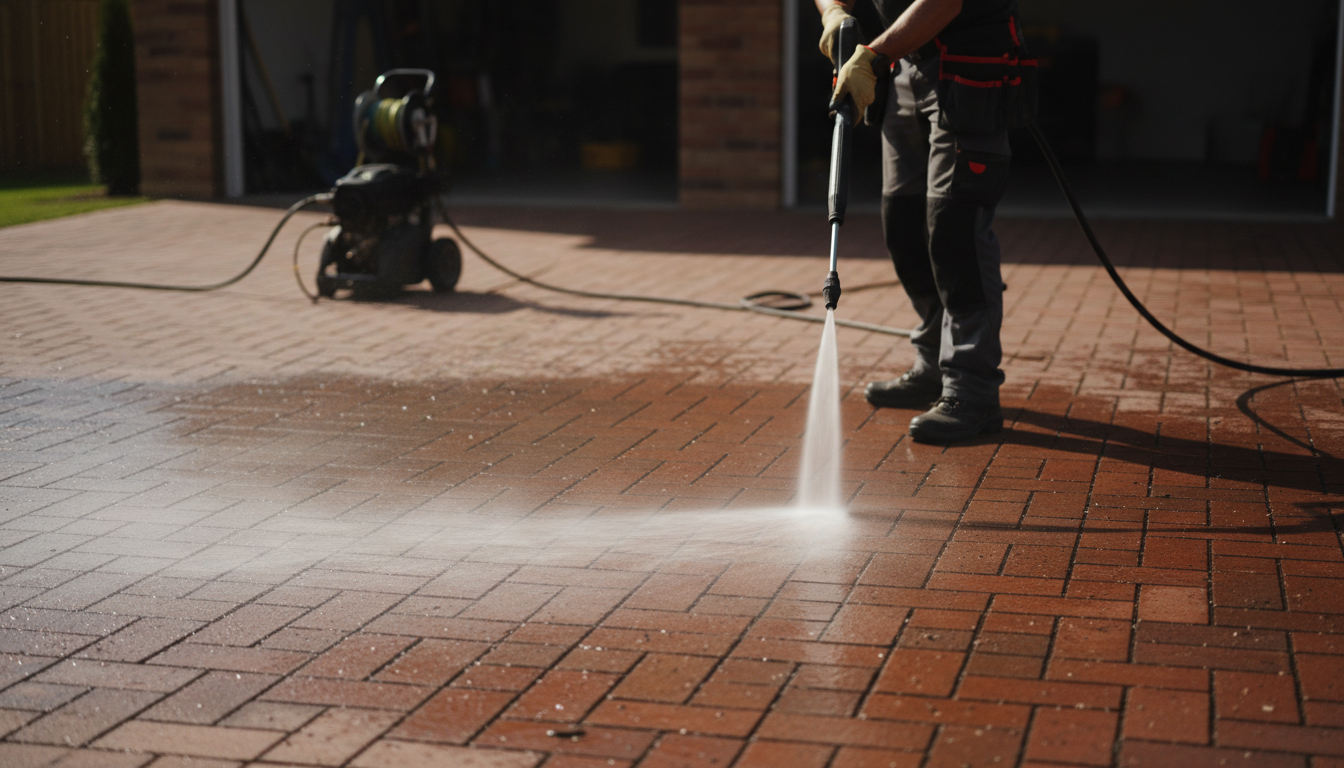
The first step is selecting the right pressure washer. They come in electric and gas-powered versions, each with its pros and cons. Electric washers are typically quieter and more suitable for smaller tasks, while gas-powered ones offer more power for larger jobs. Make sure to read the manufacturer's manual thoroughly to understand the specific features of your model.
Familiarize yourself with the various nozzles and their uses. Nozzles are color-coded to indicate the spray angle, which affects the pressure and coverage area. Using the right nozzle for the job is crucial to avoid damaging surfaces.
Safety Tips for Beginners
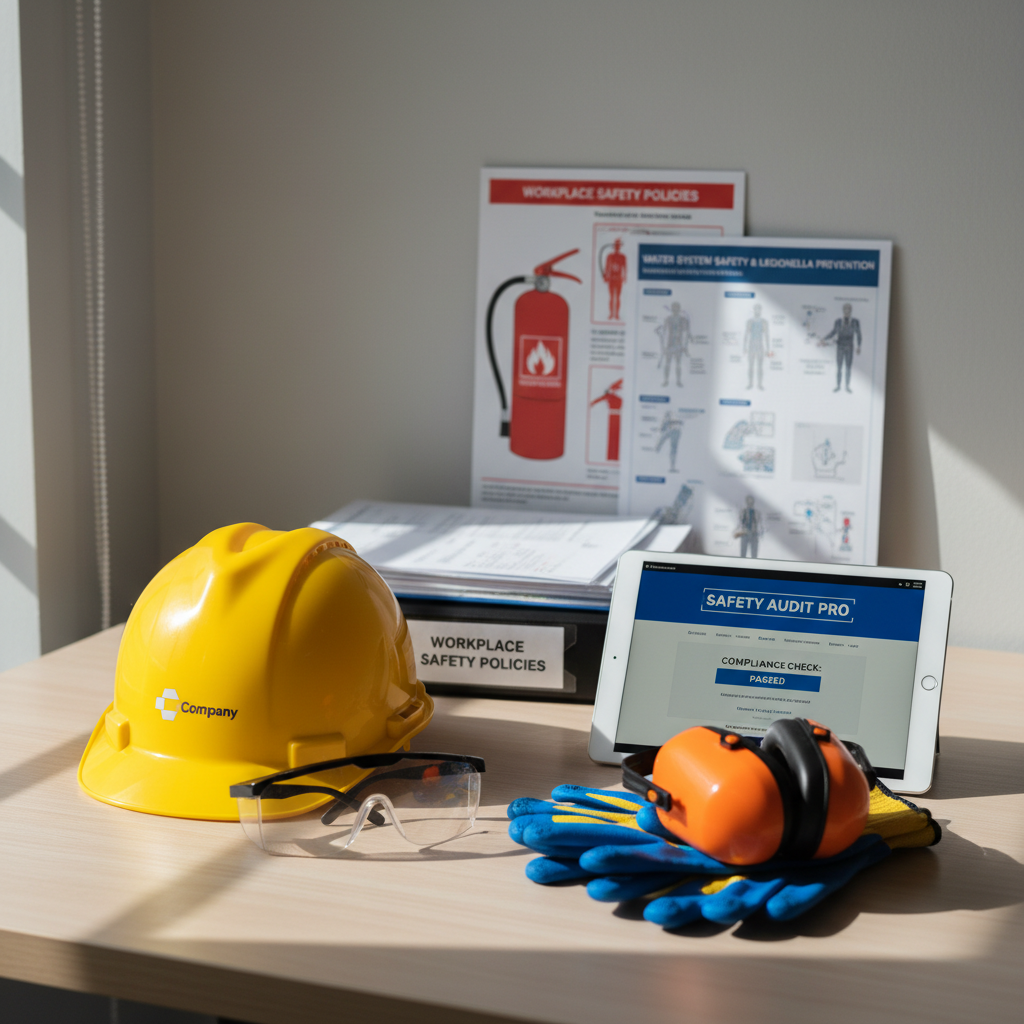
Safety should be your top priority. Always wear protective eyewear and gloves when operating a pressure washer. Avoid pointing the spray at yourself, others, or delicate surfaces. The powerful jet can cause injuries or damage if not handled properly.
Be mindful of your surroundings. Ensure kids and pets are kept at a safe distance. Also, check the area for any obstacles or hazards that could interfere with your work.
Effective Pressure Washing Techniques
Once you're familiar with your equipment and safety measures, it's time to get started. Begin by testing a small, inconspicuous area to ensure the pressure level is appropriate for the surface. Adjust as needed to prevent any damage.
When washing, maintain a consistent distance from the surface and use smooth, overlapping strokes. This technique ensures even cleaning and prevents streaks or missed spots. For stubborn stains, a detergent formulated for pressure washers can be applied first and rinsed off afterward.
Maintaining Your Pressure Washer
Proper maintenance of your pressure washer is crucial for its longevity and performance. After each use, clean the nozzle and hose to prevent clogs and buildup. Drain any leftover water from the system, especially before storing it for an extended period.
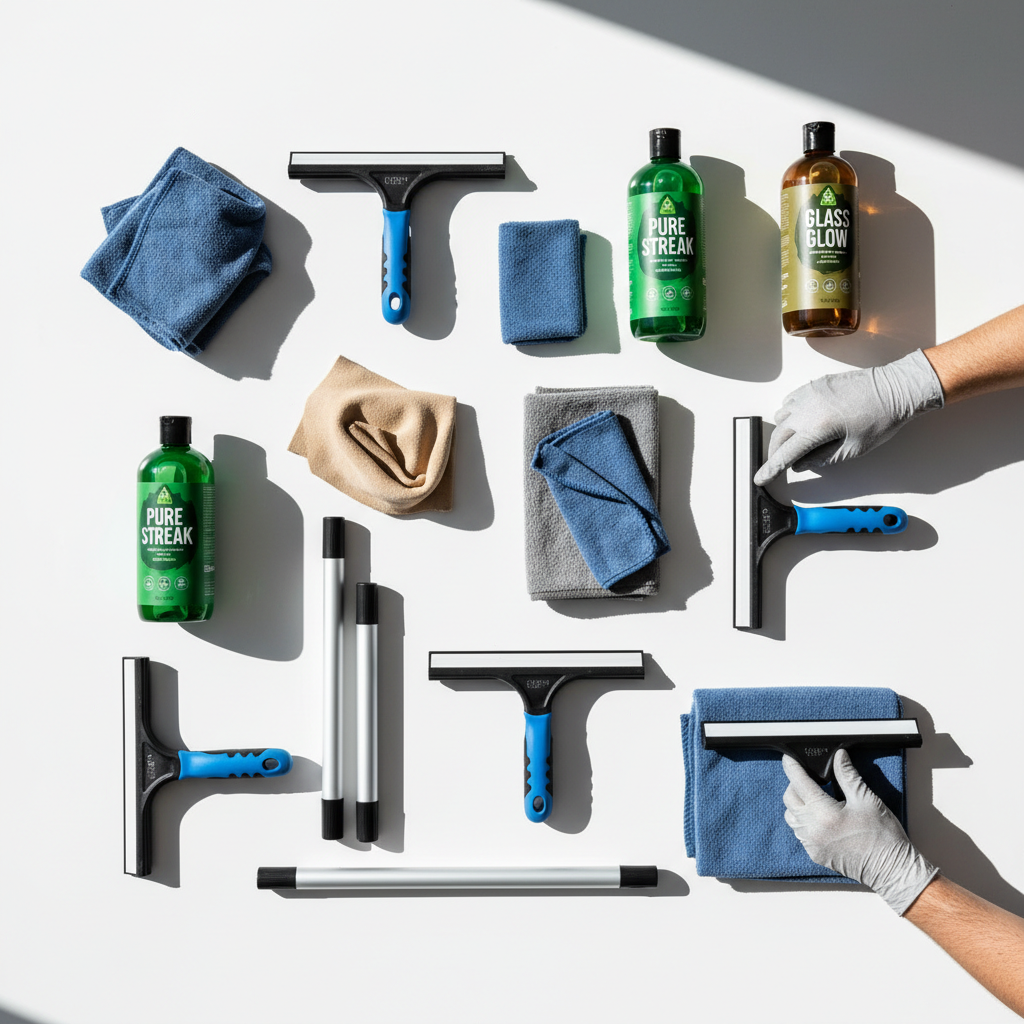
Regularly check for any signs of wear or damage, such as cracks in the hose or nozzle. Addressing these issues promptly can prevent further damage and ensure your equipment is always ready for action.
Choosing the Right Projects
Pressure washing is ideal for a variety of outdoor cleaning tasks. Common projects include cleaning driveways, siding, decks, and patios. However, be cautious with certain materials like wood or delicate surfaces, which may require lower pressure or special attachments.
In Springfield, the changing seasons can lead to the accumulation of grime, mold, and mildew. Pressure washing is a great way to tackle these issues and keep your property looking fresh year-round.
Conclusion
DIY pressure washing can be a cost-effective and satisfying way to enhance your home's appearance. By following these tips and tricks, beginners in Springfield can safely and efficiently tackle a variety of outdoor cleaning tasks. With the right equipment and techniques, you'll be amazed at the transformation a good pressure washing can achieve.