
DIY Pressure Washing: Tips and Tricks for Homeowners


Why Pressure Washing?
Pressure washing is an effective way to clean various surfaces around your home, from driveways to decks. It helps remove dirt, grime, mold, and mildew that accumulate over time, restoring surfaces to their original look. By learning how to do it yourself, you can save money and maintain your property efficiently.
Getting Started: Equipment and Safety
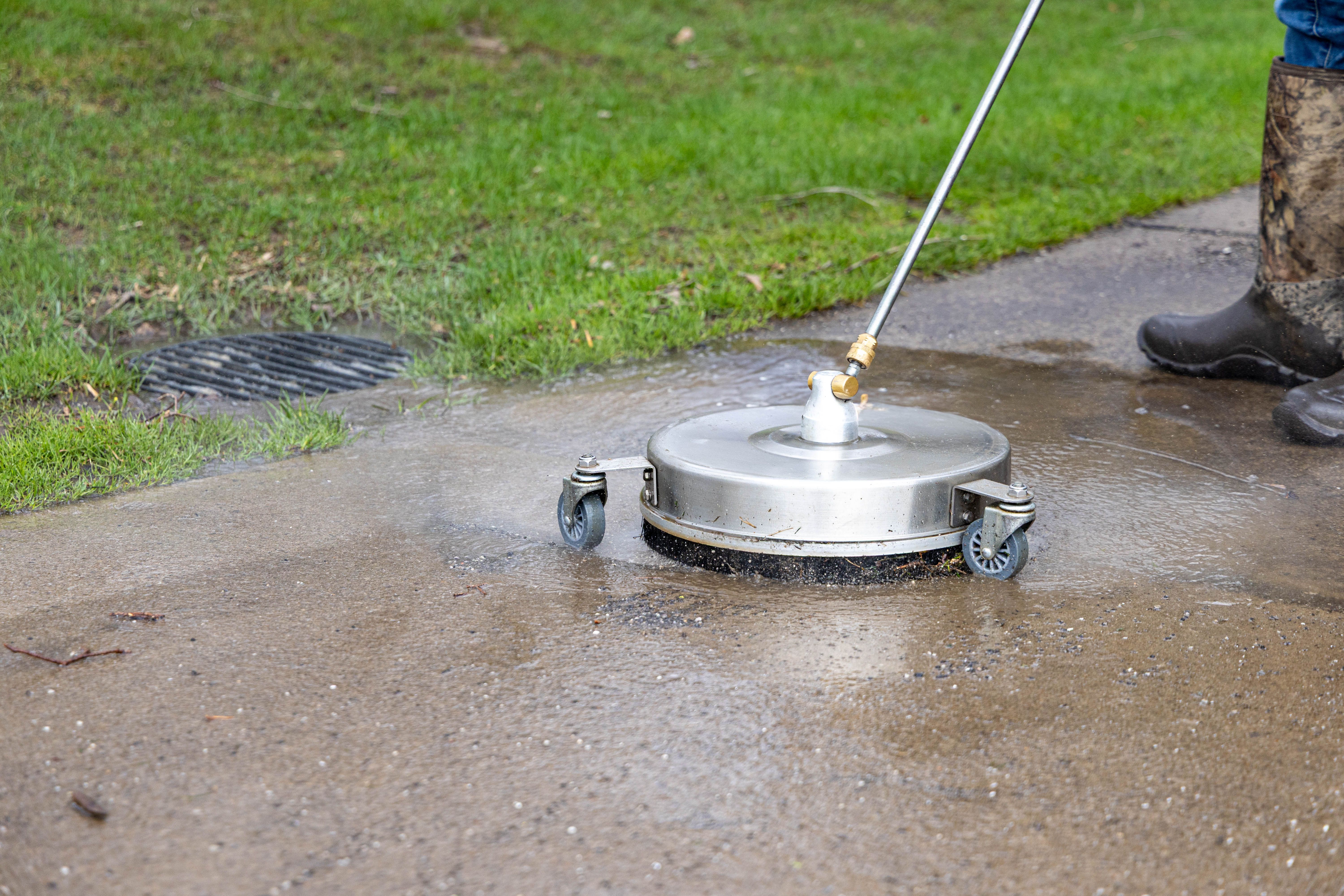
Before you begin, it’s crucial to have the right equipment. A pressure washer, safety goggles, gloves, and appropriate clothing are essential. Choosing the right pressure washer is important; electric models are suitable for small tasks, while gas models are better for larger areas.
Safety is paramount. Always wear protective gear to shield yourself from debris and chemical splashes. Make sure to read the pressure washer’s manual to understand its operation properly.
Types of Pressure Washers
Pressure washers come in various types. Here’s a quick overview:
- Electric Pressure Washers: Ideal for small jobs and residential use.
- Gas Pressure Washers: More powerful and suitable for cleaning large surfaces.
- Hot Water Pressure Washers: Best for greasy or oily surfaces.
Preparation: Cleaning Solutions and Test Areas
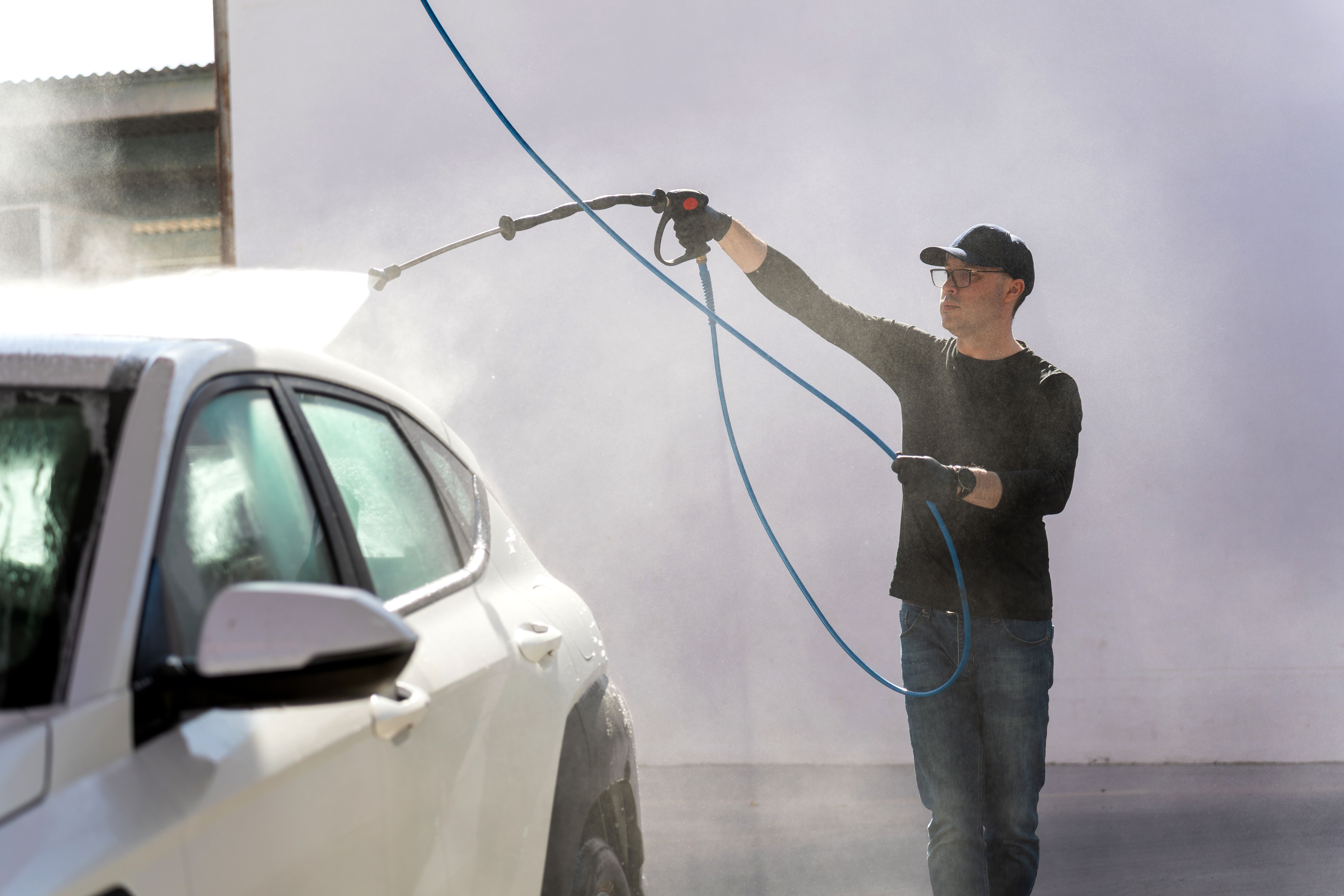
Using the right cleaning solution can enhance the effectiveness of your pressure washing. Biodegradable detergents are a great choice as they are environmentally friendly. Always follow the manufacturer’s instructions when mixing cleaning solutions.
Before tackling an entire area, test a small section to ensure that the pressure and cleaning solution do not damage the surface. This step is crucial for delicate materials like wood or painted surfaces.
Techniques for Effective Cleaning
When pressure washing, technique matters. Hold the nozzle at a 45-degree angle to the surface and maintain a consistent distance. Begin with a low pressure, gradually increasing if necessary. Use sweeping motions to avoid streaks.
Common Mistakes to Avoid
Some common mistakes can lead to damage or ineffective cleaning. Here are a few to watch out for:
- Avoid using too high pressure on delicate surfaces.
- Do not linger too long in one spot, as it can cause damage.
- Ensure the area is clear of debris before starting to prevent accidents.
Finishing Up: Maintenance and Storage
Once you have completed your cleaning task, proper maintenance of your pressure washer is important. Rinse out any remaining detergent and store the equipment in a dry place. Regular maintenance will prolong its lifespan and ensure efficient operation for future use.
By following these DIY pressure washing tips and tricks, homeowners can maintain their property’s appearance with ease. With the right equipment, technique, and precautions, pressure washing can be a satisfying and rewarding task.