
DIY Pressure Washing: What You Need to Know Before You Start


Understanding Pressure Washing
Pressure washing is an effective way to clean driveways, decks, siding, and other surfaces around your home. It uses high-pressure water spray to remove dirt, grime, mold, and other unwanted substances. While the concept might seem straightforward, there are several important factors to consider before you start.
Choosing the Right Equipment
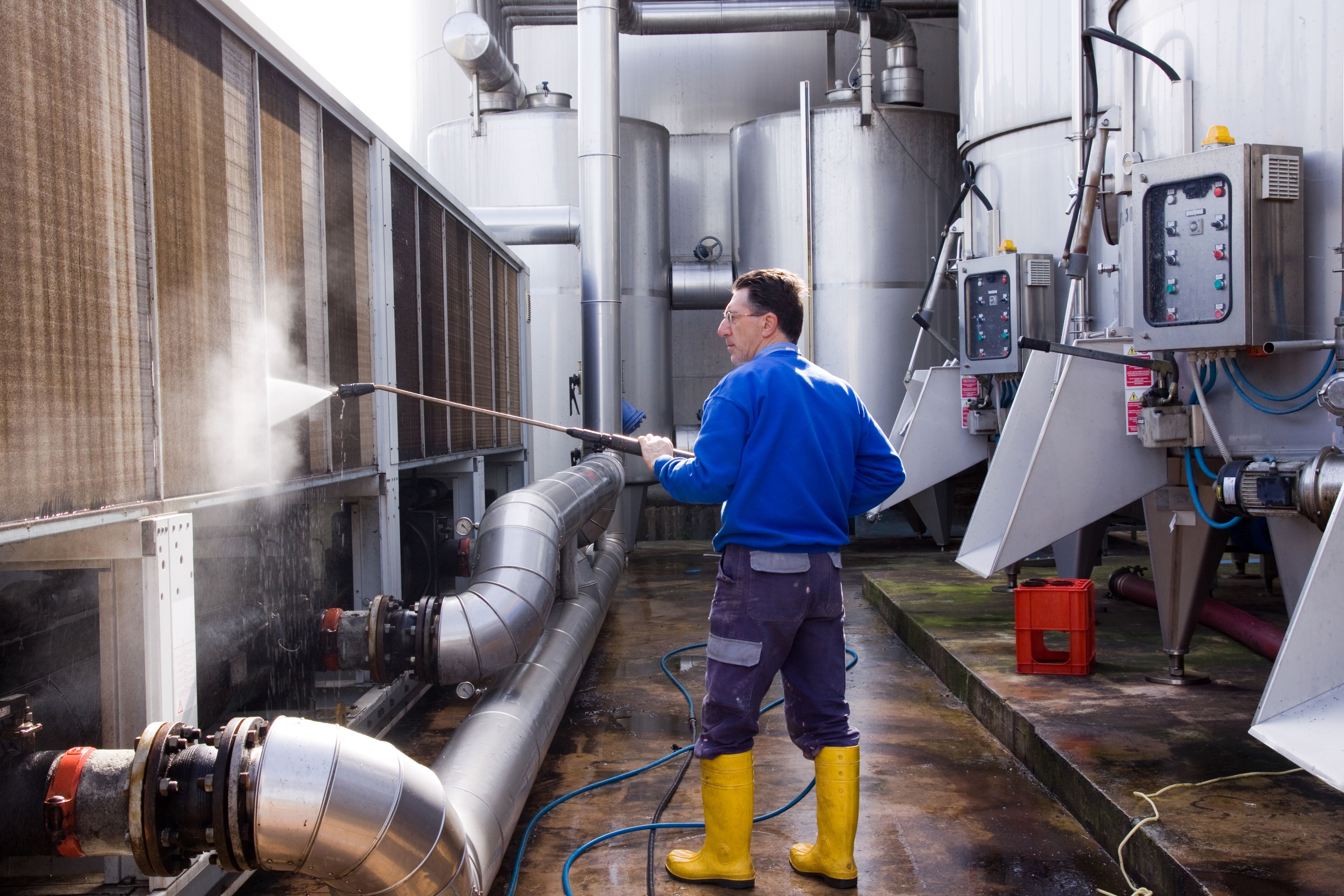
Before you begin your pressure washing project, selecting the right equipment is crucial. Pressure washers come in different models, offering varying levels of power. For most residential tasks, a machine with a range of 1,300 to 2,400 PSI is sufficient. However, for tougher jobs, you might need something more powerful.
It's also important to choose between an electric and a gas-powered washer. Electric models are generally quieter and easier to maintain, while gas-powered washers provide more power and mobility. Consider your specific needs before making a decision.
Understanding Safety Precautions
Pressure washing can be dangerous if not done correctly. The high-pressure water stream can cause injuries and damage surfaces if not handled properly. Always wear protective gear such as goggles and gloves, and never aim the spray at yourself or others.
Additionally, be cautious around electrical outlets and wiring. Water and electricity are a dangerous combination, so take the necessary precautions to avoid accidents.
Preparing the Area
Before you start washing, clear the area of any obstacles such as furniture, plants, or decorations. Cover any electrical outlets and delicate plants with plastic sheeting to protect them from water damage.
Make sure to sweep away loose debris, as this will make the cleaning process more effective. Also, check the weather forecast; it’s best to work on a dry, calm day.
Mastering the Technique
The technique you use can greatly affect the results of your pressure washing. Always start with a lower pressure setting and gradually increase if needed. Maintain a consistent distance from the surface being cleaned, usually around 6 to 12 inches.
Use sweeping motions for even coverage, and be mindful of stubborn areas that may require additional attention. Be patient, as rushing can lead to missed spots or potential damage.
Post-Washing Tips
After you've finished pressure washing, allow the surfaces to dry completely. Inspect the area for any missed spots or damage, and address them accordingly. Proper maintenance of your pressure washer is also essential; clean the machine and store it in a dry location.
Regular pressure washing can keep your home looking fresh and well-maintained, but it's important to use the right techniques and precautions. By following these guidelines, you can achieve professional-quality results safely and efficiently.