
DIY Pressure Washing: What You Need to Know Before You Start


Pressure washing can be a highly effective way to clean various surfaces around your home. However, before you start this DIY project, it's important to understand the basics to ensure safety and achieve the best results. In this guide, we'll cover essential information you need to know.
Understanding Pressure Washers
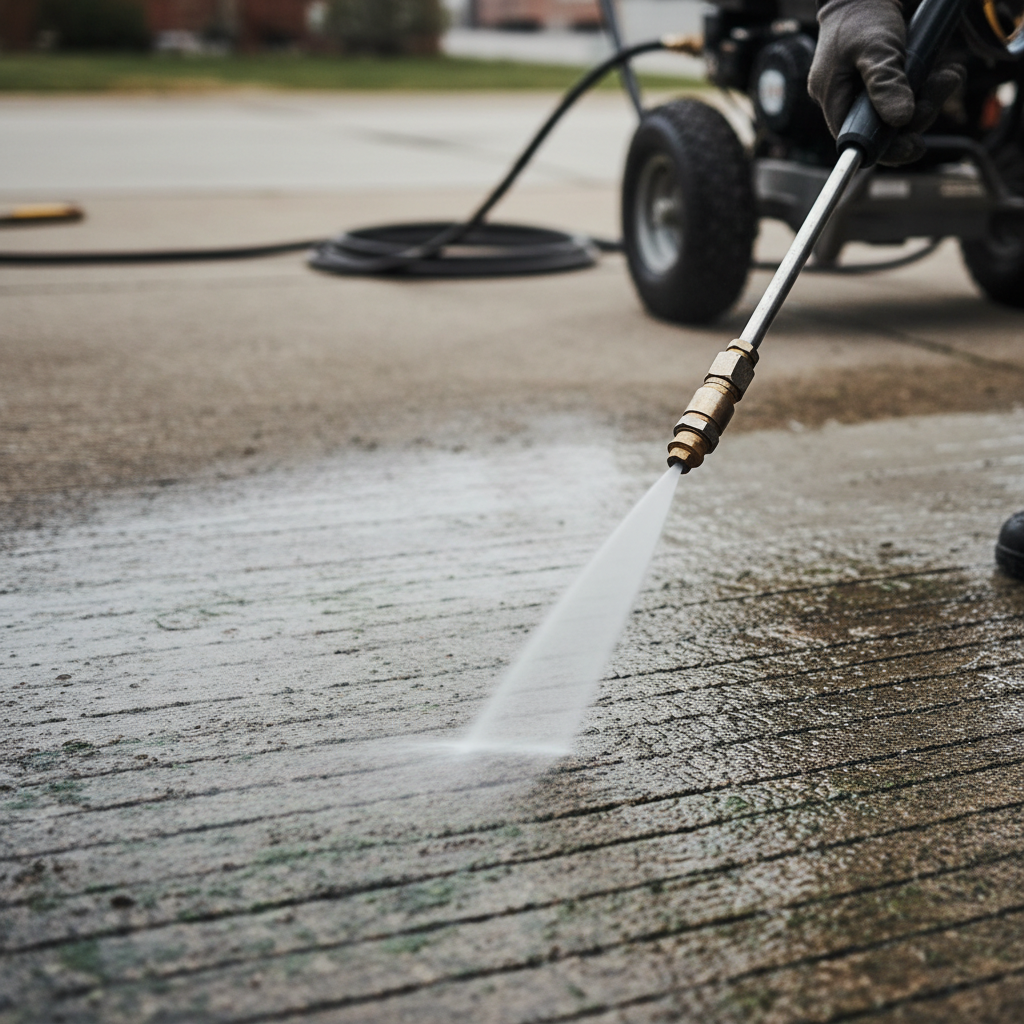
Pressure washers come in two main types: electric and gas. Electric pressure washers are typically less powerful but are perfect for smaller tasks like cleaning patios or vehicles. Gas pressure washers, on the other hand, offer more power, making them suitable for larger areas like driveways or home exteriors.
Choosing the Right Pressure Washer
When selecting a pressure washer, consider the PSI (pounds per square inch) and GPM (gallons per minute). Higher PSI and GPM ratings indicate a more powerful machine. For most household tasks, a pressure washer with 2000-3000 PSI and 2-3 GPM should suffice.
Preparing the Area
Before you start pressure washing, ensure the area is prepared. Remove any obstacles, cover delicate plants, and close windows and doors. Also, wear protective gear like gloves and goggles to keep yourself safe from debris and high-pressure water.
Using the Correct Nozzle
Pressure washers come with different nozzles for various tasks. The nozzles are color-coded, with each color representing a specific spray angle and pressure intensity. For example:
- Red (0 degrees): High pressure, focused spray. Use with caution.
- Yellow (15 degrees): Medium pressure, ideal for surface preparation.
- Green (25 degrees): General cleaning for homes and vehicles.
- White (40 degrees): Light cleaning and rinsing.
Best Practices for Pressure Washing
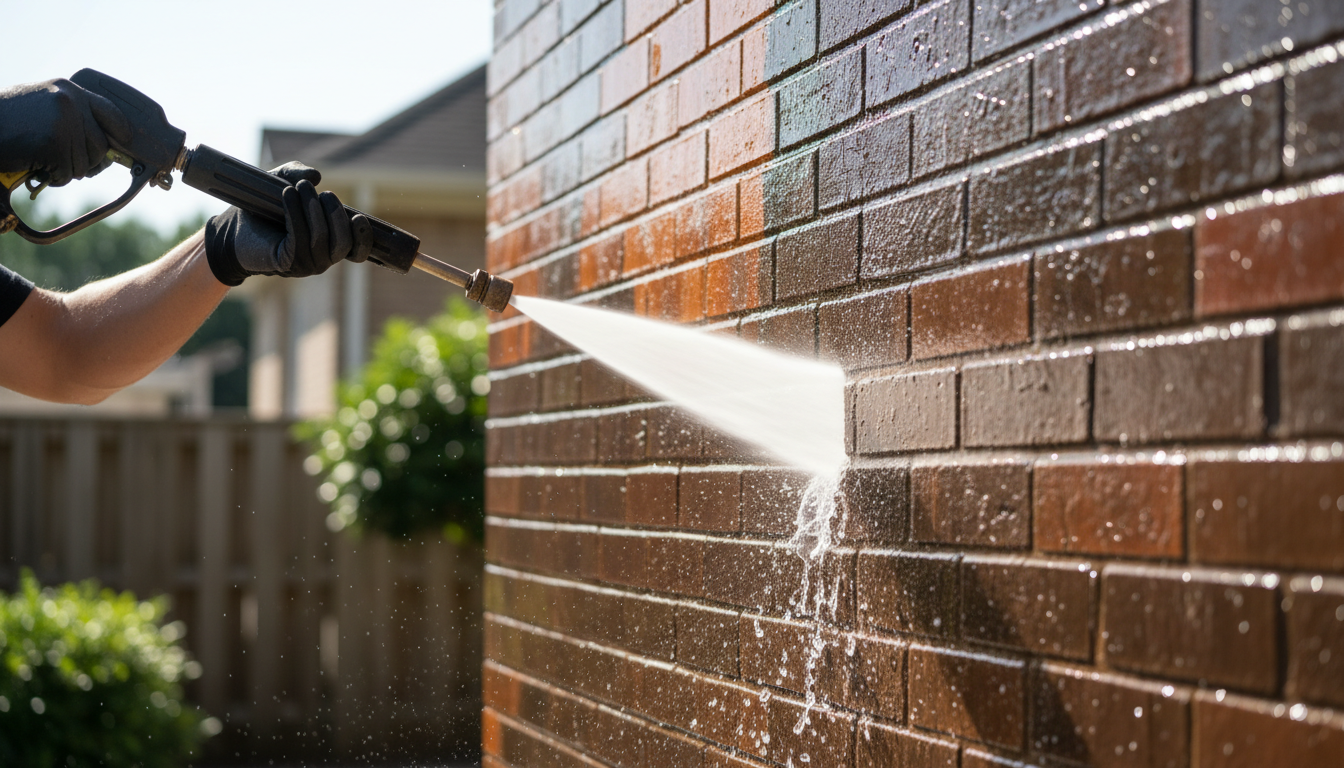
To avoid damage, keep the nozzle moving and maintain a safe distance from the surface. Start with a wider spray angle and gradually move closer if necessary. Never use a pressure washer on delicate surfaces like windows or vintage wood.
Environmental Considerations
Be mindful of the environment when pressure washing. Avoid using harmful chemicals and ensure that runoff water does not contaminate local waterways. Opt for eco-friendly detergents and dispose of wastewater responsibly.
By following these guidelines, you can safely and effectively tackle your pressure washing projects, enhancing the appearance of your home while protecting the environment.