
DIY Pressure Washing: What You Should Know Before You Start


Understanding Pressure Washing
Pressure washing is a powerful method for cleaning various surfaces around your home. From driveways to decks, it can rejuvenate the appearance of outdoor spaces. However, before you begin, it's essential to understand the basics to ensure safety and effectiveness. This guide will walk you through what you need to know before starting your DIY pressure washing project.
Choosing the Right Equipment
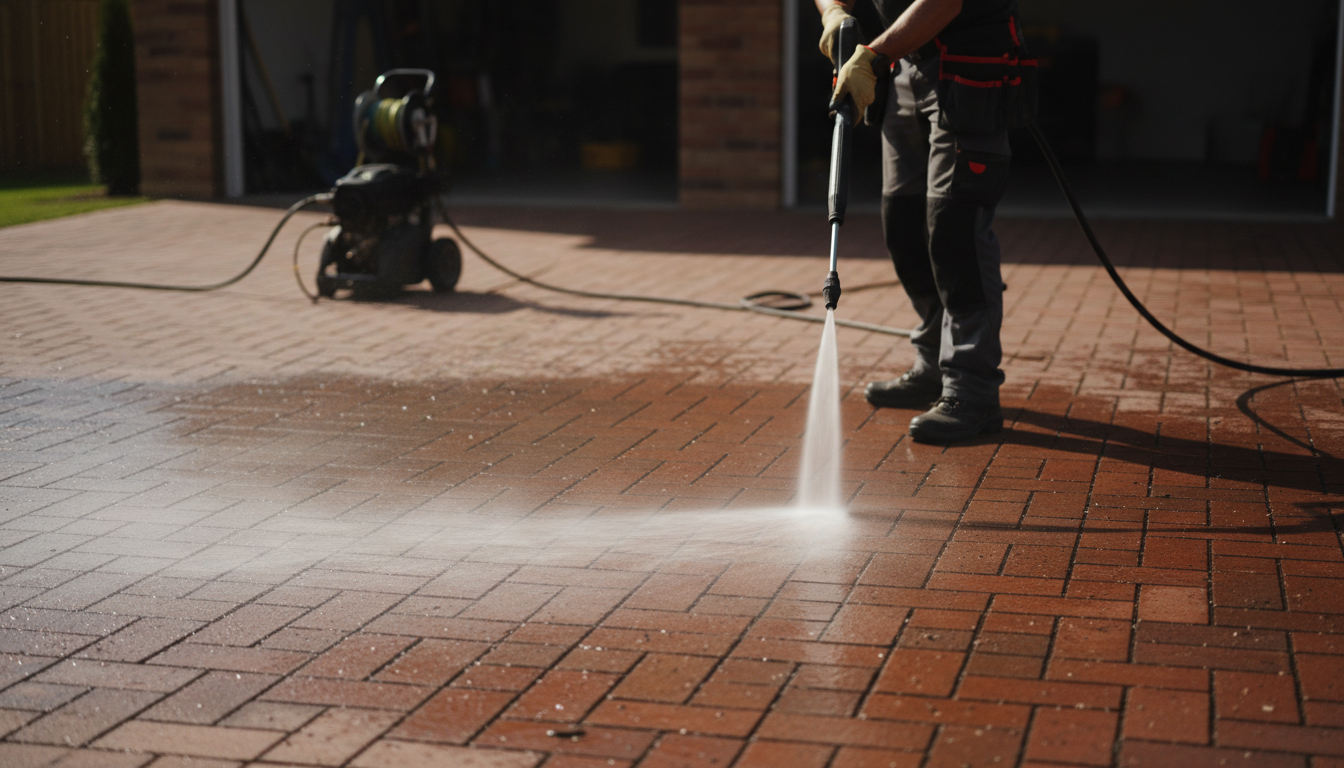
Selecting the appropriate pressure washer is crucial. There are two main types: electric and gas-powered. Electric pressure washers are suitable for small to medium jobs, while gas-powered models offer more power for larger areas. Consider the pressure output measured in PSI (pounds per square inch) and GPM (gallons per minute) to match your cleaning needs.
Additionally, ensure you have the necessary nozzles. Different nozzle angles deliver various spray patterns and intensities. A 0-degree nozzle offers a concentrated stream, while a 40-degree nozzle covers a wider area with less pressure.
Safety Precautions
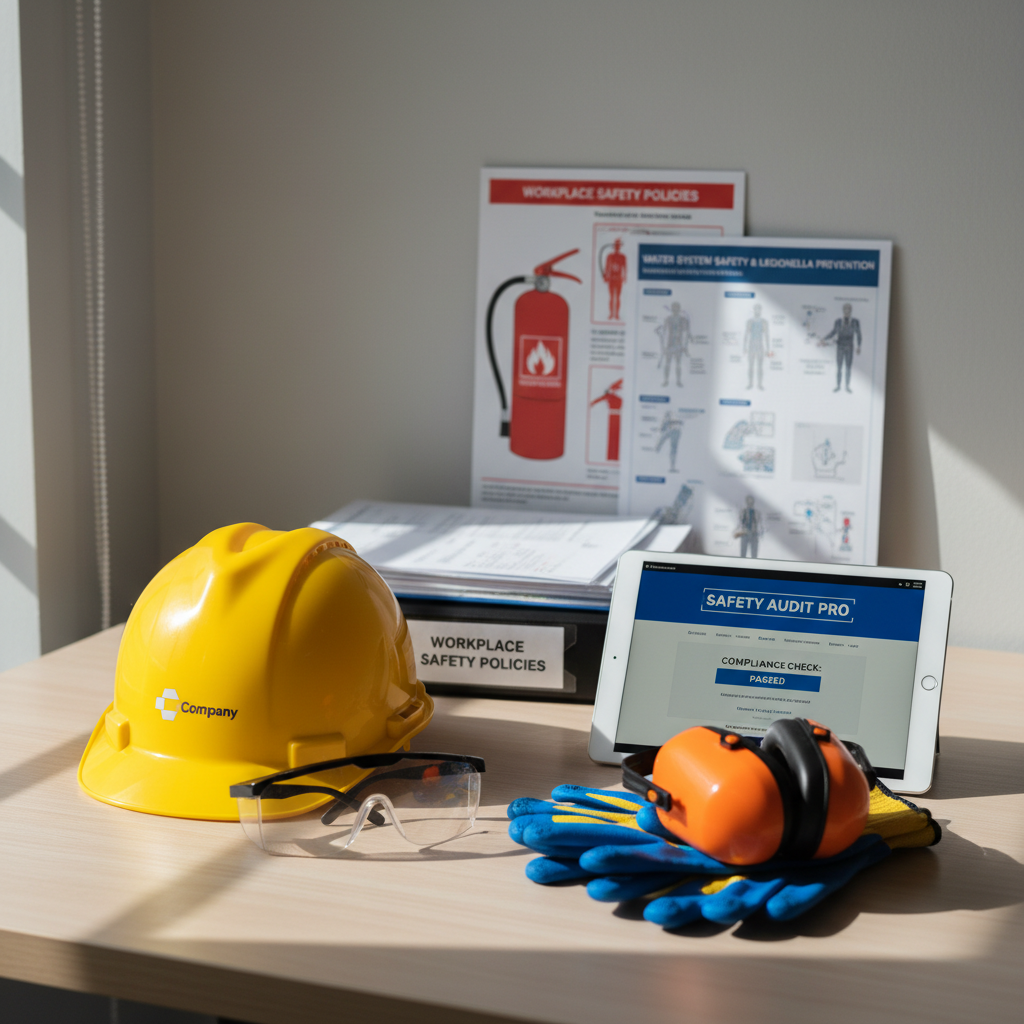
Pressure washers are powerful tools and must be handled with care. Always wear protective gear like gloves and goggles to shield yourself from debris and high-pressure water. Be cautious of electrical outlets and cords, especially when using an electric washer, to prevent shocks.
Before you start, inspect the area for fragile items or surfaces that could be damaged. Avoid using a pressure washer on delicate surfaces like shingles or old wood, as the force can cause harm.
Preparing the Area
Preparation is key to a successful pressure washing experience. Clear the area of any obstacles, furniture, or plants that could be in the way. Cover electrical outlets and any sensitive areas with plastic sheeting to protect them from water exposure.
It’s also a good idea to pre-soak the surface you plan to clean. This step helps to loosen dirt and debris, making the washing process more efficient.
Using the Pressure Washer
Start with the lowest pressure setting and test it on a small, inconspicuous area to ensure it doesn’t cause damage. Hold the spray wand at a 45-degree angle and maintain a safe distance from the surface being cleaned. Move in smooth, overlapping strokes to avoid streaks.
Be mindful of nearby plants and grass, as the pressure and cleaning detergents can harm them. Rinse any detergent thoroughly to prevent residue buildup.
Maintaining Your Equipment
After completing your project, it's important to maintain your pressure washer to keep it in good working condition. Rinse out any detergent tanks and run clean water through the system to remove residual chemicals. Inspect hoses and connections for any signs of wear or damage.
Store your pressure washer in a dry, sheltered location to protect it from harsh weather conditions. Regular maintenance will extend the life of your equipment and ensure it’s ready for your next cleaning task.
When to Call a Professional
While DIY pressure washing can be a cost-effective solution, there are times when hiring a professional is the better choice. If you’re dealing with extensive mold, mildew, or large commercial spaces, a professional service can provide the expertise and equipment necessary for a thorough clean.
Consider the time, effort, and potential risks involved in a DIY project. If you’re unsure about tackling it yourself, a professional might be the safest and most efficient option.