
DIY Pressure Washing Tips: What Springfield Residents Need to Know


Getting Started with DIY Pressure Washing
Pressure washing is an effective way to clean driveways, decks, siding, and other outdoor surfaces. For Springfield residents looking to tackle this task themselves, understanding the basics is crucial. With the right equipment and techniques, you can achieve professional results.
Choosing the Right Equipment
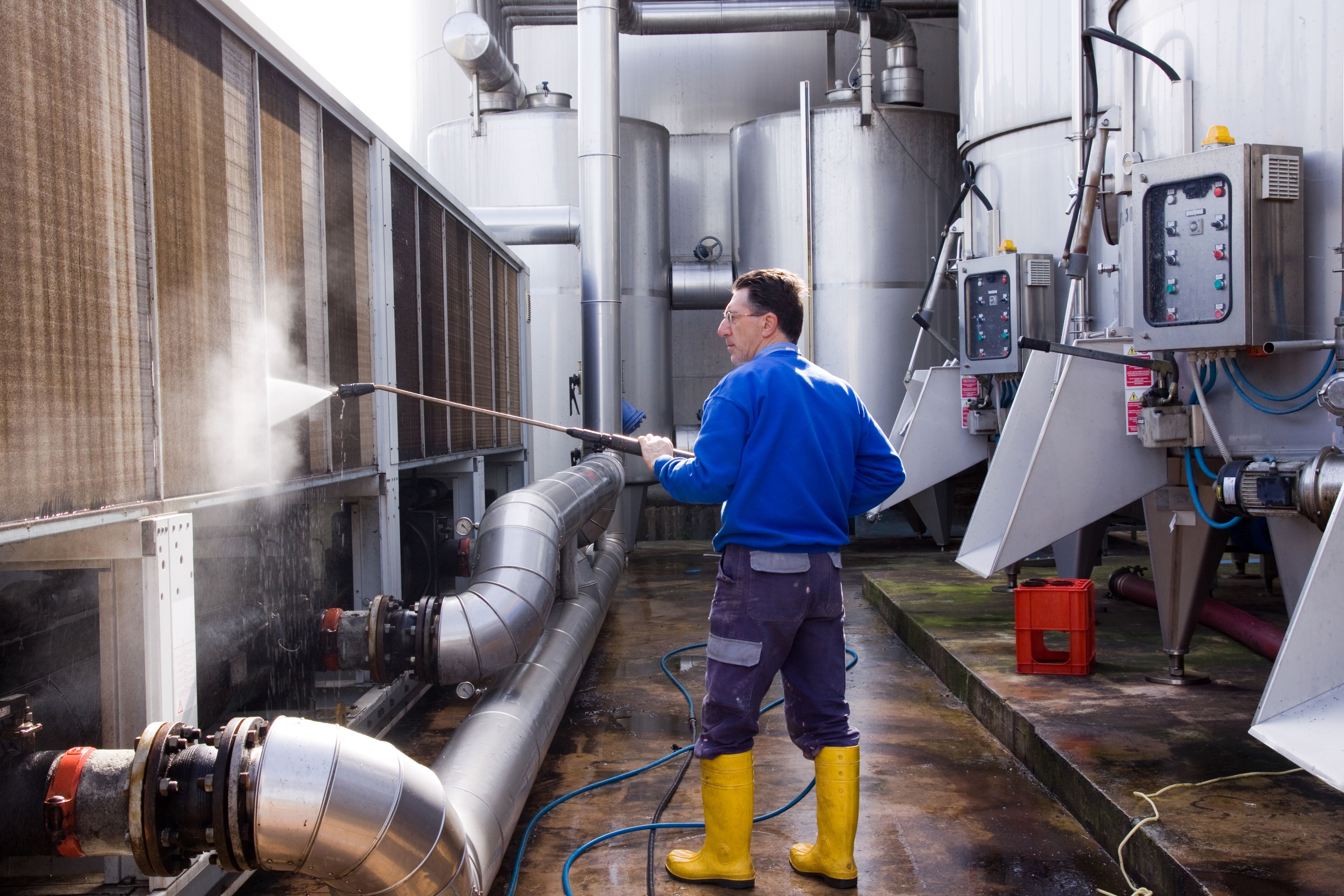
Before you begin, it's essential to choose the right pressure washer for your needs. Consider the surface you're cleaning and the level of grime. For most residential tasks, a pressure washer with a range of 1,500 to 3,000 PSI (pounds per square inch) is sufficient.
There are two main types of pressure washers: electric and gas-powered. Electric pressure washers are suitable for smaller jobs and are generally quieter and easier to maintain. Gas-powered models provide more power and are better for larger areas.
Essential Accessories
Investing in a few key accessories can enhance your pressure washing experience. Consider getting a surface cleaner attachment for even cleaning on flat surfaces. A telescoping wand can help reach higher areas without a ladder.
Safety First
Pressure washing can be dangerous if not done correctly. Always wear protective gear, including gloves, goggles, and sturdy footwear. Be aware of your surroundings, and never aim the pressure washer at people, animals, or delicate surfaces.

Preparing the Area
Before you start, clear the area of any obstacles, debris, or furniture. Cover any plants or delicate surfaces with a plastic sheet to prevent damage. Make sure to secure windows and doors to avoid water entering your home.
Effective Pressure Washing Techniques
Start by testing your pressure washer on a small, inconspicuous area to ensure the pressure is appropriate. Hold the nozzle about 12 inches from the surface and use a sweeping motion to avoid streaks.
Begin with the lowest pressure setting and gradually increase if necessary. Use a detergent specifically designed for pressure washers to tackle stubborn stains. Let the detergent sit for a few minutes before rinsing.
Post-Washing Care
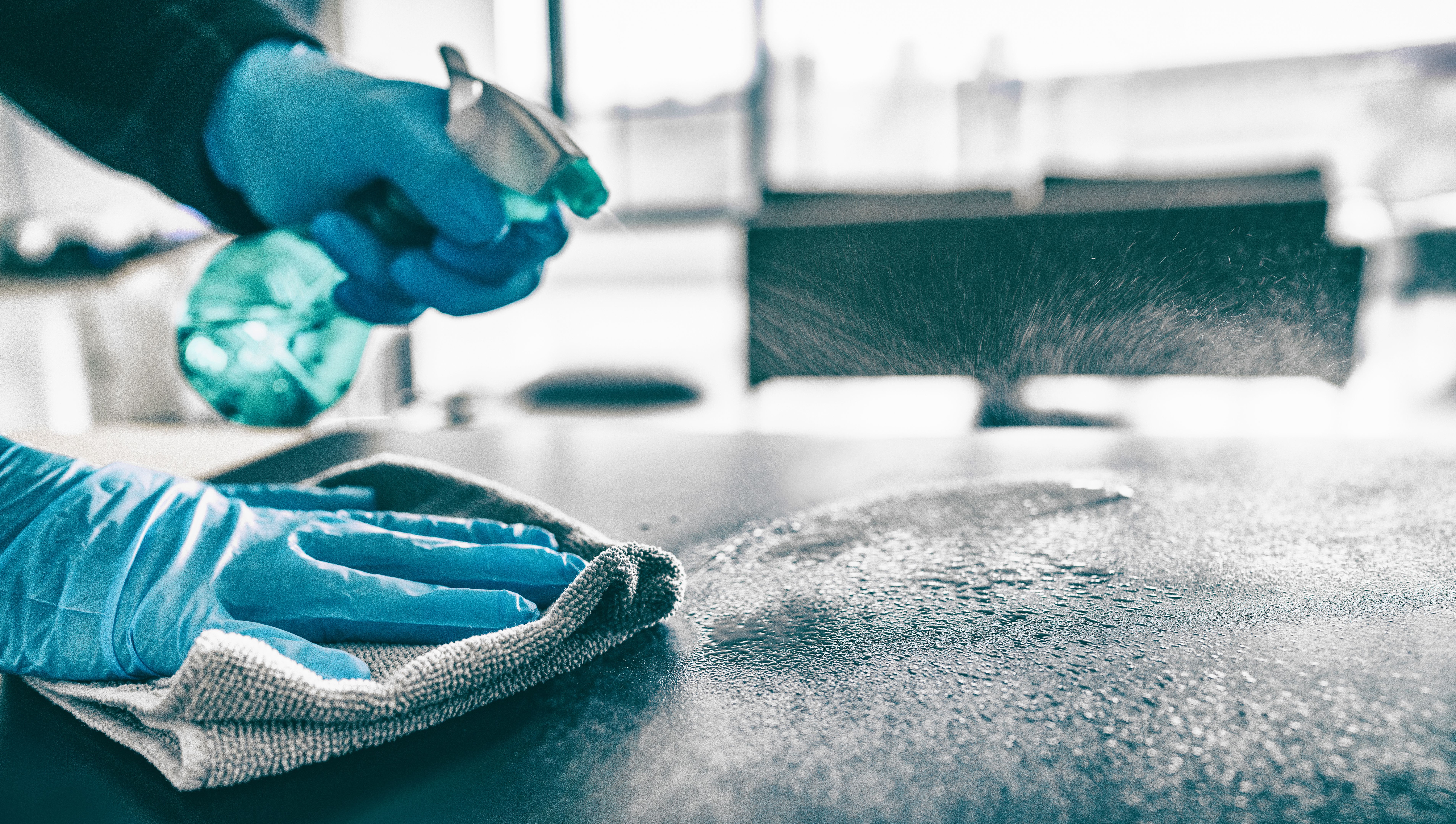
After pressure washing, inspect the area for any missed spots or damage. Rinse any nearby plants thoroughly to remove detergent residue. Finally, clean your pressure washer and store it properly to ensure longevity.
Common Mistakes to Avoid
Avoid using too much pressure, as this can damage surfaces. Always use the appropriate nozzle for the task at hand. Remember, patience is key—don't rush the process to achieve the best results.
By following these tips, Springfield residents can enjoy clean and refreshed outdoor spaces. Whether you're cleaning a patio or prepping your home for a new coat of paint, pressure washing can make a significant difference.