DIY Pressure Washing Tips: What You Need to Know Before You Start


Understanding the Basics of Pressure Washing
Pressure washing is a highly effective way to clean various surfaces around your home, from driveways to decks. However, before you start, it's essential to understand the basics. A pressure washer uses a high-pressure water spray to remove dirt, grime, and other debris. The key is knowing the right settings and techniques for each surface.
There are two main types of pressure washers: electric and gas-powered. Electric models are typically more affordable and suitable for smaller tasks, while gas-powered ones offer more power for larger areas. Choosing the right one depends on your specific needs and the scope of your project.
Preparing for Your Pressure Washing Project
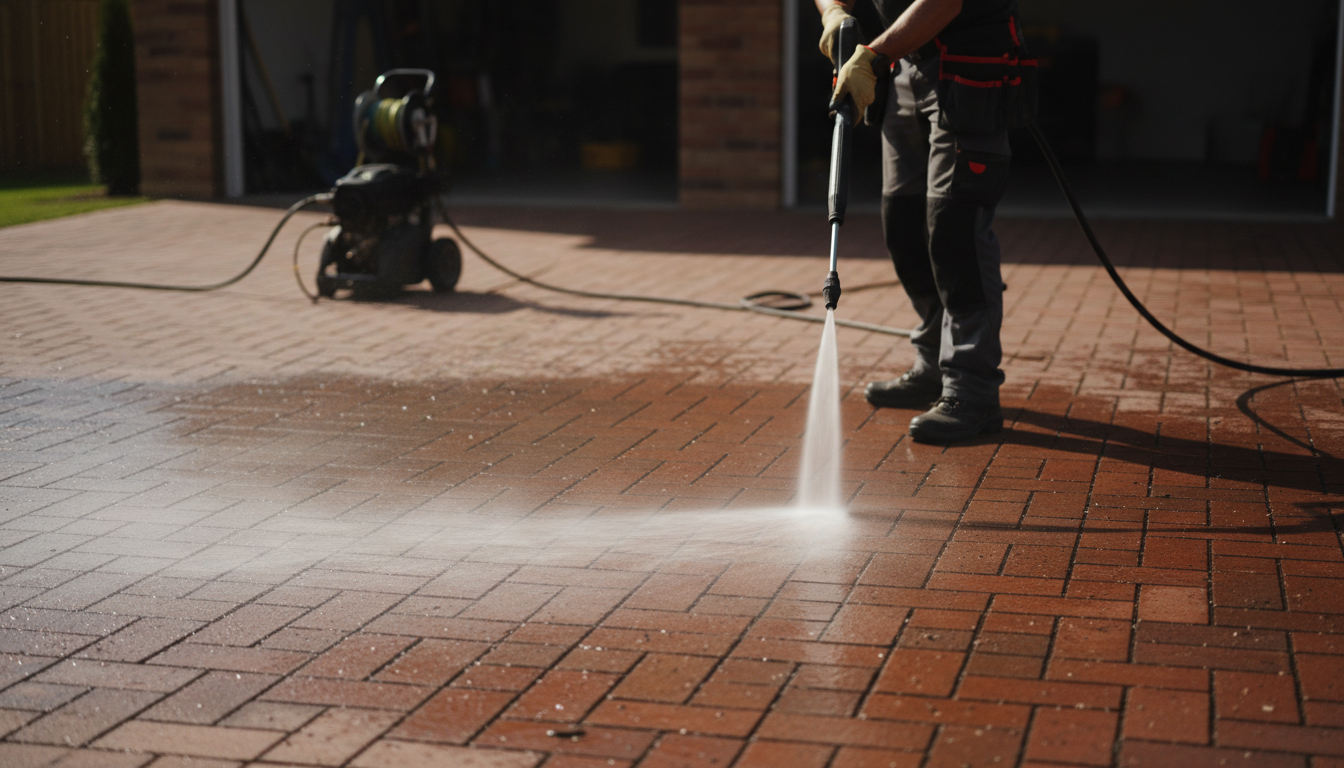
Preparation is crucial for a successful pressure washing project. Begin by assessing the area you plan to clean. Remove any obstacles like furniture or potted plants to ensure a clear workspace. It's also wise to cover nearby plants or delicate surfaces to protect them from the high-pressure spray.
Ensure you have all necessary safety gear before starting. This includes goggles, gloves, and sturdy footwear. Pressure washers can be dangerous if not handled properly, so safety should always be a priority.
Choosing the Right Nozzle
Pressure washers come with a variety of nozzles, each designed for different tasks. Nozzles are typically color-coded, ranging from 0 to 65 degrees. A 0-degree nozzle provides a concentrated, powerful spray suitable for tough stains, while a 65-degree nozzle offers a gentle rinse ideal for more delicate surfaces.
It's crucial to select the appropriate nozzle for your task to avoid damage. For most household tasks, a 25 or 40-degree nozzle should suffice. Always test the spray on a small, inconspicuous area first.
Effective Pressure Washing Techniques
Using the right technique can make a significant difference in your cleaning results. Always hold the pressure washer at a consistent distance from the surface, usually around 12 to 18 inches. Move in smooth, even strokes to ensure uniform cleaning.
When washing vertical surfaces, start from the bottom and work your way up. This technique helps prevent streaking. For horizontal surfaces, a sweeping motion works best. Remember to keep the spray moving to avoid gouging or stripping the surface.
Maintenance and Storage Tips
Proper maintenance of your pressure washer can extend its lifespan and ensure optimal performance. After each use, clean the nozzles and check hoses for any signs of wear. Store the unit in a dry, safe place to prevent damage from weather or debris.
It's also a good idea to run clean water through the system after each use to remove any detergent residues. Regular maintenance not only keeps your equipment in good shape but also ensures it's ready for your next cleaning project.