
DIY Pressure Washing Tips for Springfield Residents


Springfield residents know that keeping the exterior of their homes clean not only enhances curb appeal but also prolongs the life of surfaces. One effective way to achieve this is through pressure washing. Whether you're a seasoned DIY enthusiast or a newbie, these pressure washing tips will help you achieve professional results.
Understanding Pressure Washing Basics
Before diving into pressure washing, it's crucial to understand the basics. Pressure washers come in a variety of models, each with different pressure levels. Residential models typically range from 1,300 to 2,400 PSI, suitable for most home cleaning tasks. Always choose the right pressure level based on the surface material to avoid damage.
Safety First
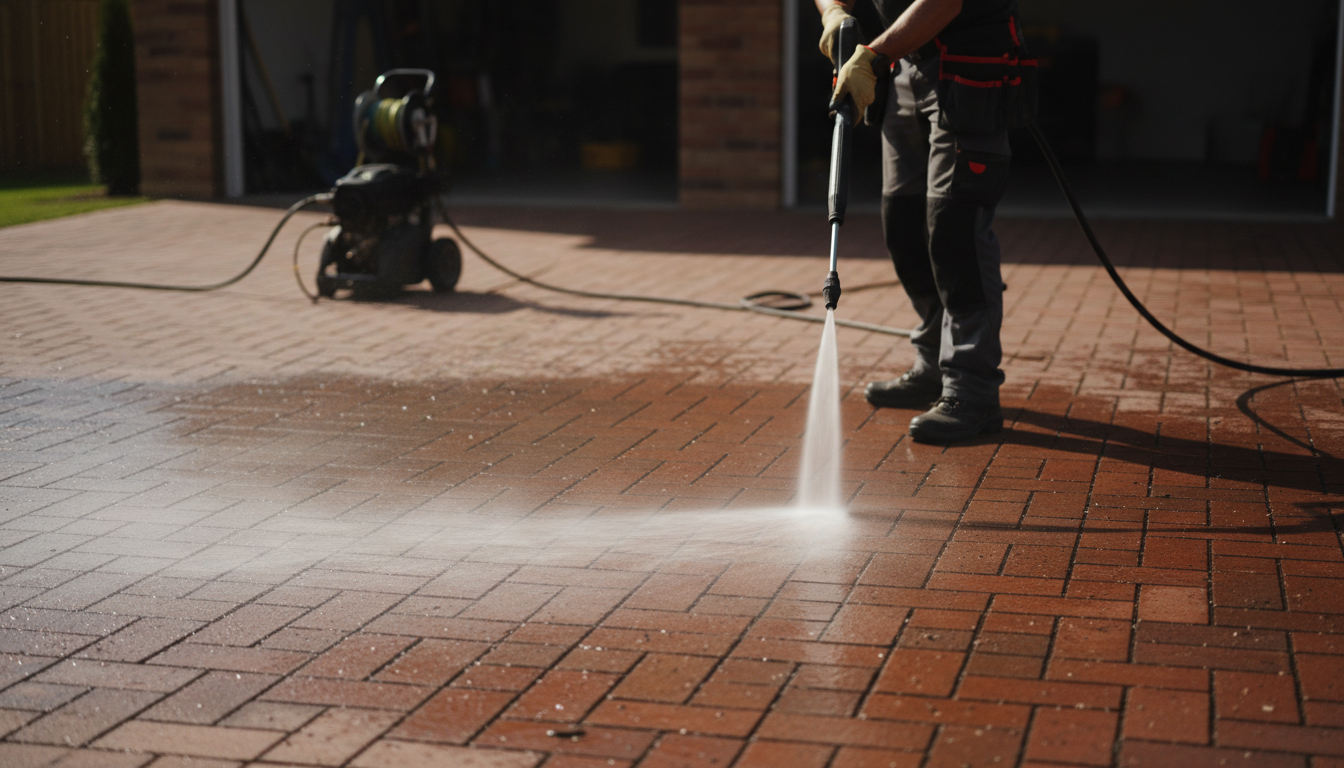
Pressure washers can be hazardous if not handled properly. Always wear protective gear such as goggles and gloves. Ensure the area is clear of debris and keep children and pets away while operating the machine. Never point the pressure washer at people or animals, as the high-pressure water can cause injuries.
Preparing for Pressure Washing
Proper preparation is key to a successful pressure washing job. Start by clearing the area of any obstacles or outdoor furniture. Cover delicate plants and electrical outlets with plastic sheeting. It’s also wise to pre-soak the area with water to loosen dirt and debris.
Choosing the Right Detergent
Using the right detergent can significantly enhance the cleaning power of your pressure washer. For different surfaces, there are specific detergents. For example, use a siding cleaner for vinyl and a deck cleaner for wooden surfaces. Apply the detergent using the machine’s low-pressure setting and let it sit for a few minutes to break down grime.
Pressure Washing Techniques
When you begin pressure washing, maintain a consistent distance from the surface to avoid streaks or damage. Start from the top and work your way down to prevent dirty water from running over cleaned areas. Use a sweeping motion for even coverage and adjust the nozzle for different spray patterns based on the surface.
Handling Tough Stains
For stubborn stains, consider using a rotating scrub brush attachment. This tool provides extra agitation, helping to break down persistent dirt without damaging surfaces. Additionally, increasing the detergent concentration slightly can help tackle tougher grime.
Post-Cleaning Care
After pressure washing, it's important to rinse thoroughly to remove any detergent residue. Allow surfaces to dry completely before replacing any furniture or decorations. Regular maintenance, such as annual pressure washing, will keep your home's exterior looking fresh and well-maintained.
With these DIY pressure washing tips, Springfield residents can enjoy a sparkling clean home exterior, adding value and charm to their property. Remember, the key is preparation, proper technique, and safety.