
Preparing Your Property for Winter: Essential Pressure Washing Tips


Why Pressure Washing is Important for Winter Preparation
As winter approaches, it's crucial to prepare your property for the colder months. One essential task is pressure washing. This process not only enhances the appearance of your home but also removes dirt, mold, and debris that can cause damage during winter. By ensuring surfaces are clean, you help maintain the integrity of your property.
Pressure washing is particularly important for areas exposed to harsh weather conditions, such as driveways, sidewalks, decks, and siding. Removing grime and buildup can prevent slips and falls, which are more likely in wet and icy conditions.
Choosing the Right Equipment
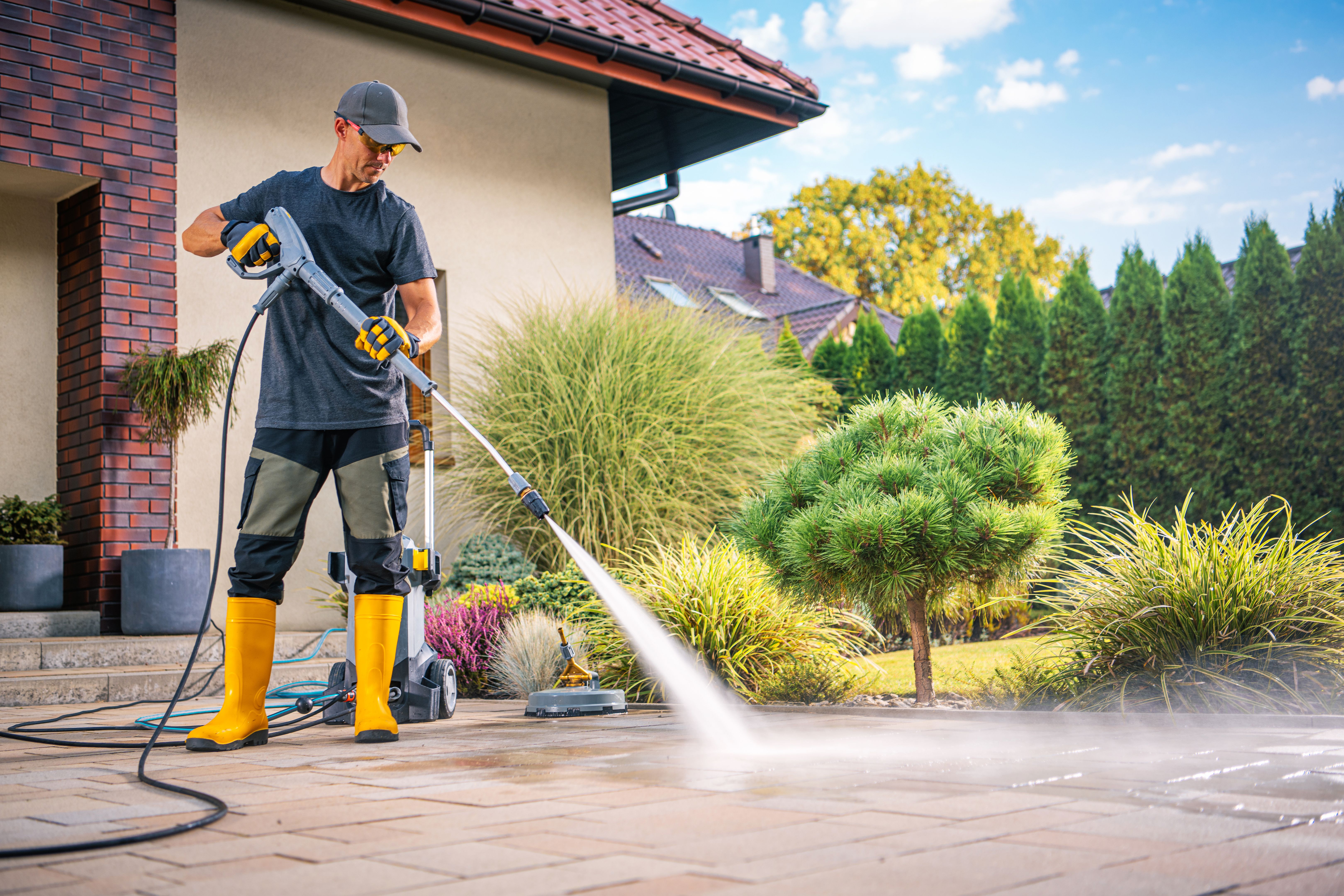
When it comes to pressure washing, selecting the right equipment is key. Consider the size of the area you need to clean and the type of surface. For most residential properties, a pressure washer with a range of 1,300 to 2,400 PSI is sufficient. If you're dealing with tougher stains or larger areas, you may need a more powerful machine.
Pay attention to the nozzles and attachments that come with your pressure washer. Different nozzles offer varying spray patterns and pressures, allowing you to tackle different surfaces effectively. A rotating nozzle can be particularly useful for removing stubborn dirt and grime.
Preparing Your Property
Before you start pressure washing, it's important to prepare the area. Begin by clearing away any loose items, such as outdoor furniture, decorations, and potted plants. This not only protects these items but also ensures you have full access to the surfaces that need cleaning.
Check for any damaged areas that might be exacerbated by high-pressure water. Repairing these spots beforehand can prevent further issues. Additionally, ensure all windows and doors are securely closed to prevent water from seeping inside.
Effective Pressure Washing Techniques
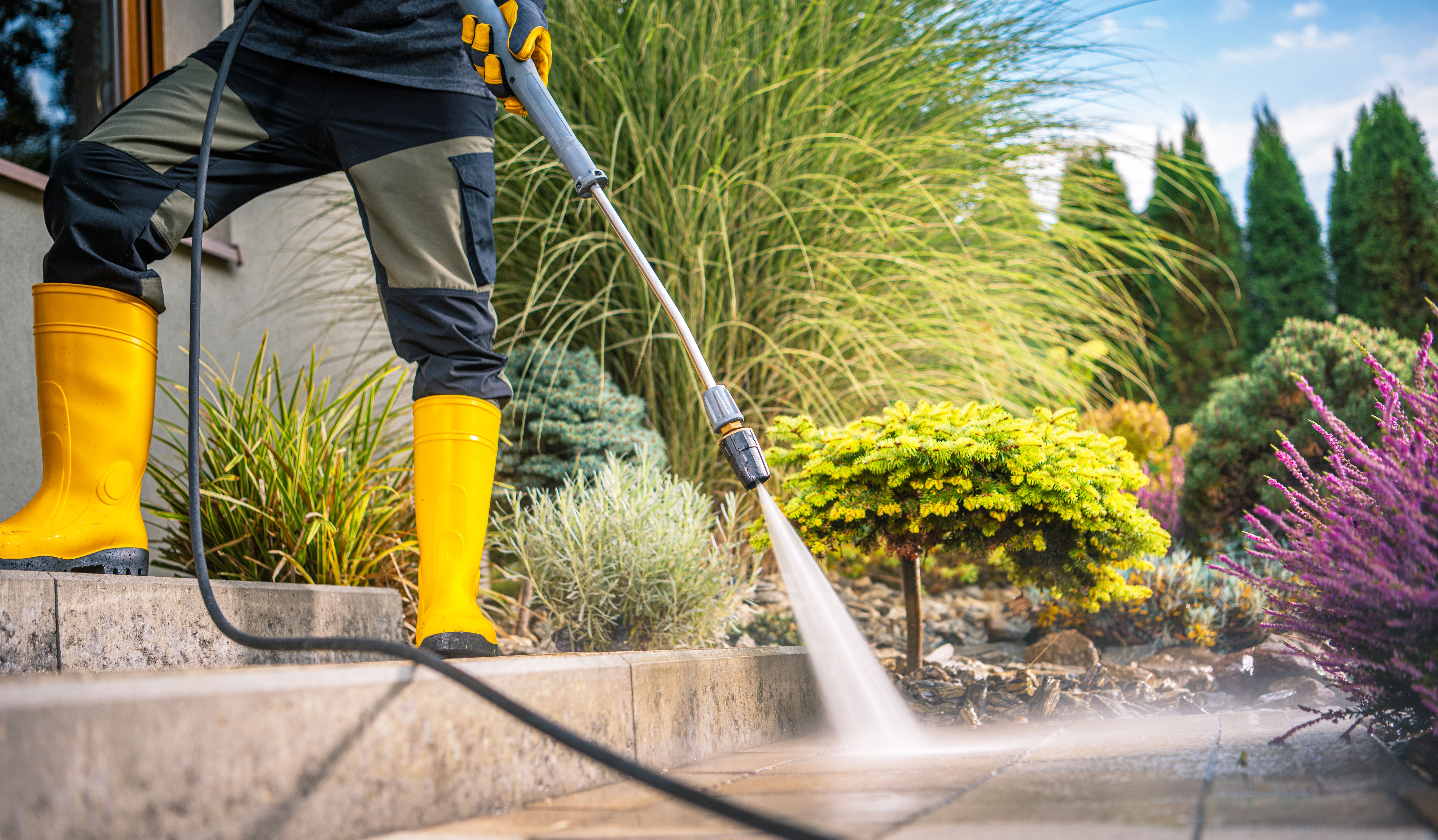
To achieve the best results, use proper pressure washing techniques. Start by testing the pressure washer on a small, inconspicuous area to ensure the pressure settings are appropriate for the surface. Use a sweeping motion, keeping the nozzle at a consistent distance from the surface to avoid damage.
- Hold the nozzle at a 45-degree angle for optimal cleaning.
- Maintain a distance of at least 6 inches from the surface.
- Work in sections, starting from the top and moving downward.
Post-Wash Maintenance
After pressure washing, it's important to let the surfaces dry completely before making any repairs or applying treatments. This is the perfect time to apply sealants or protective coatings, which can help protect surfaces from the harsh winter elements.
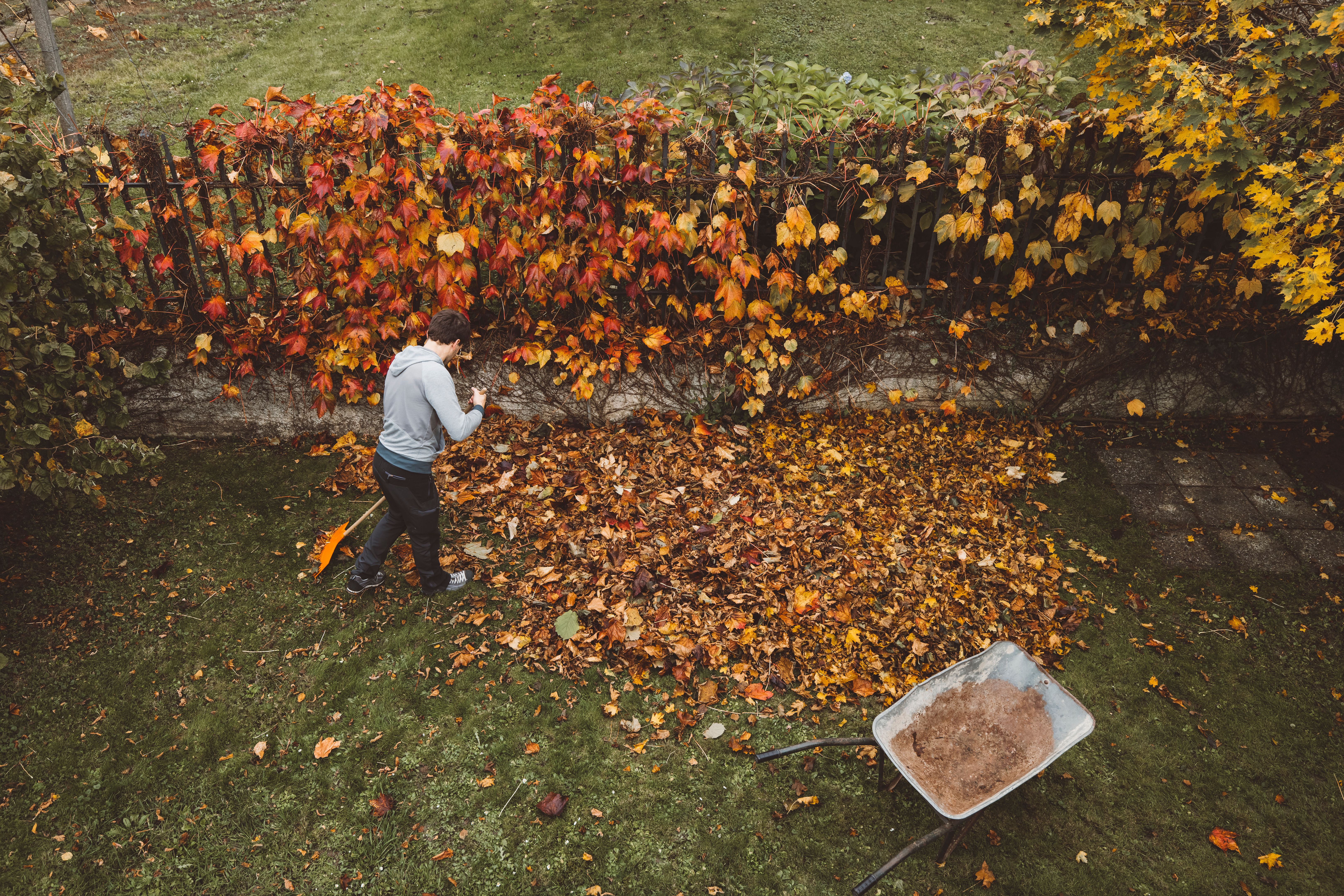
Regular maintenance throughout the winter, such as sweeping away snow and debris, will help keep surfaces clean and safe. By investing time in pressure washing now, you can enjoy a well-maintained property all winter long.
Safety Considerations
While pressure washing is effective, it's essential to prioritize safety. Wear protective gear, such as gloves and goggles, to shield yourself from debris and splashes. Be cautious on ladders or elevated surfaces, as they can become slippery when wet.
If you're unsure about tackling the job yourself, consider hiring a professional. They have the experience and equipment to handle the task efficiently and safely, ensuring your property is winter-ready.