
Pressure Washing and Environmental Impact: Best Practices for Springfield


Pressure washing is an effective way to clean various surfaces, from driveways to building exteriors. However, it's crucial to consider the environmental impact of this cleaning method, especially in a community like Springfield that values sustainability.
Understanding the Environmental Impact of pressure washing is essential. Traditional methods often use a significant amount of water and can result in runoff containing harmful chemicals. This runoff can enter storm drains and eventually local waterways, affecting aquatic life and water quality.
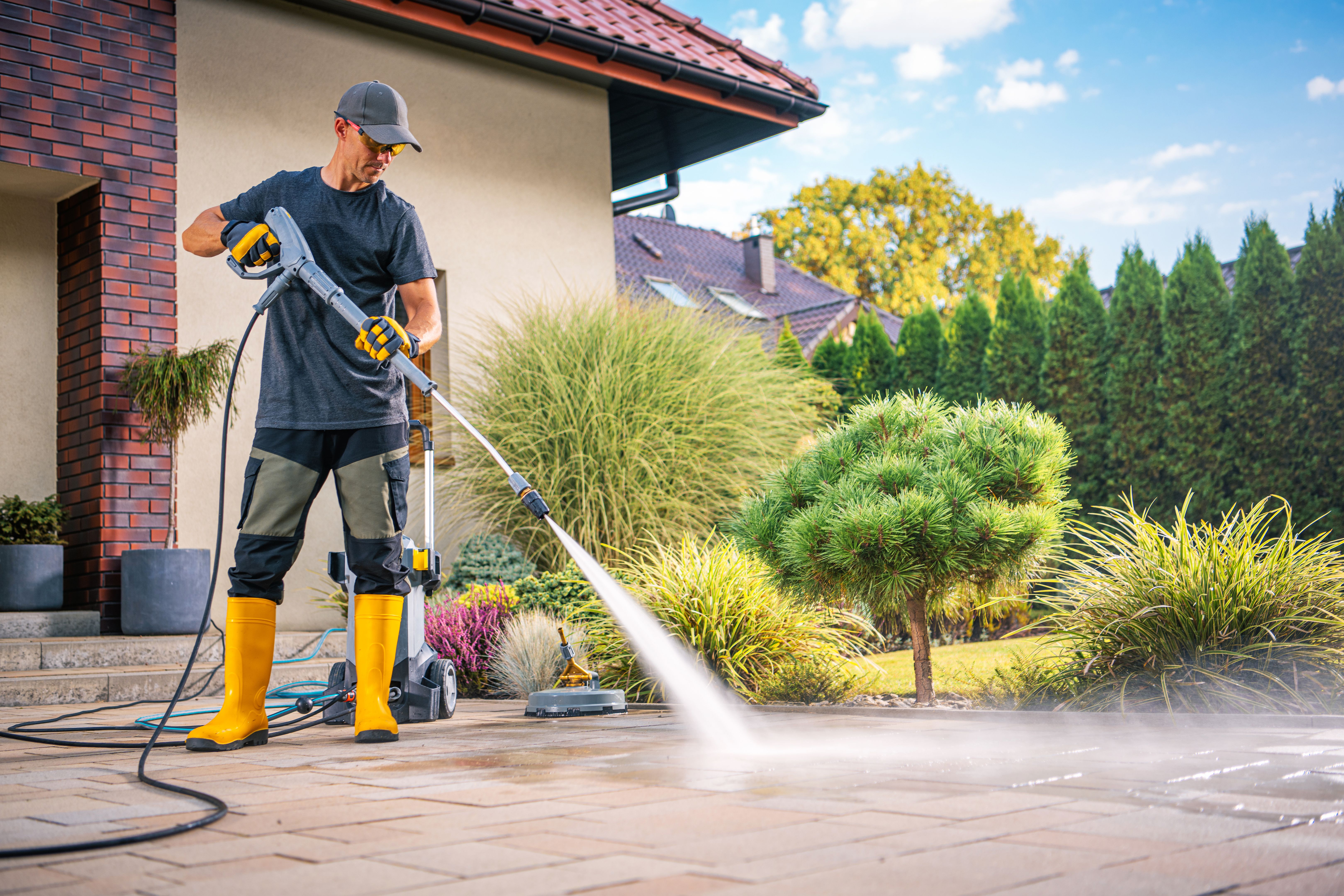
Best Practices for Eco-Friendly Pressure Washing
Choose the Right Equipment
Using the correct equipment can significantly reduce environmental impact. Opt for pressure washers that have adjustable pressure settings and water flow controls. This allows you to use only the necessary amount of water and pressure, minimizing waste.
Consider using eco-friendly detergents that are biodegradable and non-toxic. These products break down more easily in the environment and are less harmful to plants and animals.
Manage Water Usage
One of the most important practices is to manage water usage efficiently. Implementing water reclamation systems can capture and recycle water, reducing the overall amount used during the cleaning process.
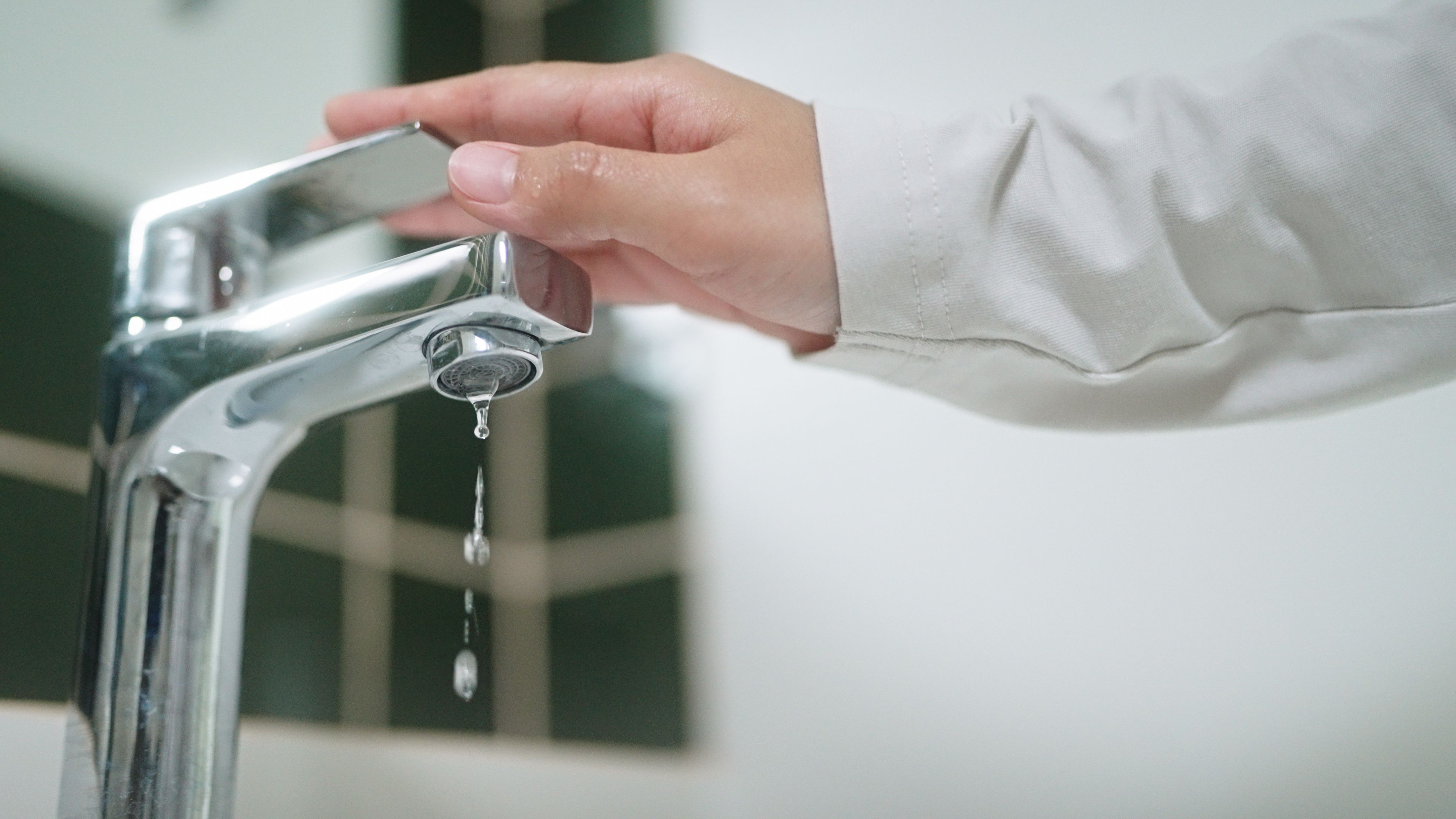
Additionally, avoid pressure washing during rainy days to prevent excessive runoff. Scheduling your cleaning during dry periods can help control the flow of wastewater.
Local Regulations and Compliance
Understand Springfield's Guidelines
Springfield has specific regulations regarding water usage and chemical disposal. It's vital to be aware of these guidelines to ensure compliance and avoid fines. Always check with local authorities before starting any pressure washing project to stay informed about any restrictions or permits required.
By adhering to these regulations, you contribute to the community’s efforts in maintaining environmental standards and promoting sustainable practices.

Practical Tips for Homeowners
DIY Pressure Washing
If you're considering a DIY pressure washing project, follow these tips for an eco-friendlier approach:
- Test a small area first to determine the right pressure and detergent.
- Use a broom or blower to remove debris before washing.
- Direct runoff towards grassy areas to allow for natural filtration.
These simple steps can make a significant difference in reducing environmental impact while still achieving a clean and fresh appearance for your property.
Hire Professional Services
For those who prefer professional services, look for companies that prioritize sustainability. Many pressure washing services in Springfield are now offering eco-friendly options that align with community values.
Taking these steps ensures that pressure washing remains a viable and environmentally responsible cleaning method for years to come.