
Pressure Washing vs. Power Washing: What's the Difference?


Understanding the Basics
When it comes to cleaning exterior surfaces, both pressure washing and power washing are popular methods. However, many people use these terms interchangeably without realizing that there are key differences between the two. Understanding these differences can help you choose the right method for your specific cleaning needs.
Both pressure washing and power washing involve the use of a high-pressure water spray to remove dirt, grime, mold, and mildew from surfaces. Despite their similarities, the primary distinction lies in the water temperature. This seemingly small difference can significantly impact the effectiveness of the cleaning process.
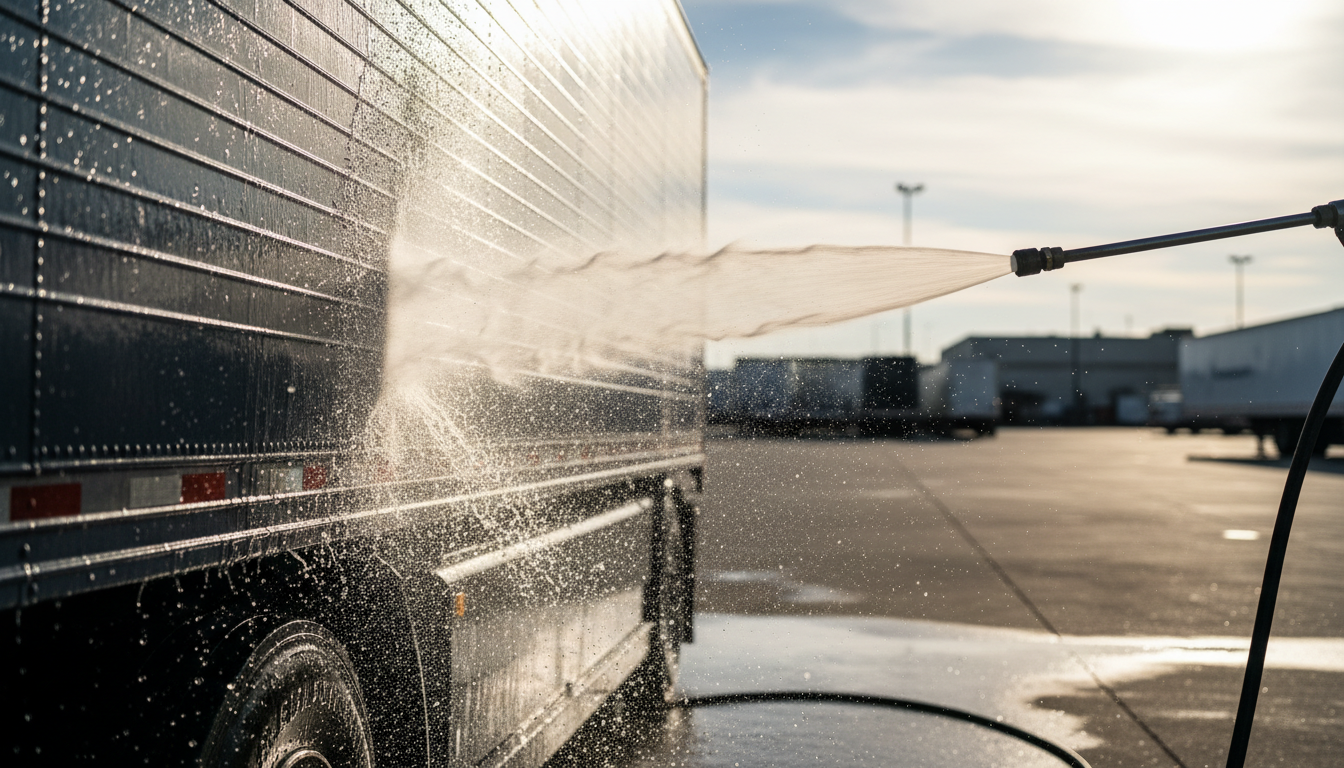
Pressure Washing Explained
Pressure washing is a method that uses highly pressurized water to clean surfaces. The water is typically at ambient temperature, which makes it ideal for removing dirt and debris from surfaces like decks, driveways, and patios. Pressure washing is generally used for lighter cleaning tasks where heat is not necessary to achieve a thorough clean.
One of the main advantages of pressure washing is its versatility. It can be used on a variety of surfaces without the risk of damage that might occur from using heat. Additionally, pressure washing is a more energy-efficient option since it does not require heating the water.
Power Washing: The Heated Approach
Power washing, on the other hand, involves the use of hot water. The heat helps to break down tough stains and grime more effectively, making it suitable for surfaces that require a deeper clean. This method is particularly effective for cleaning surfaces like concrete and brick, where grease or oil stains are common.
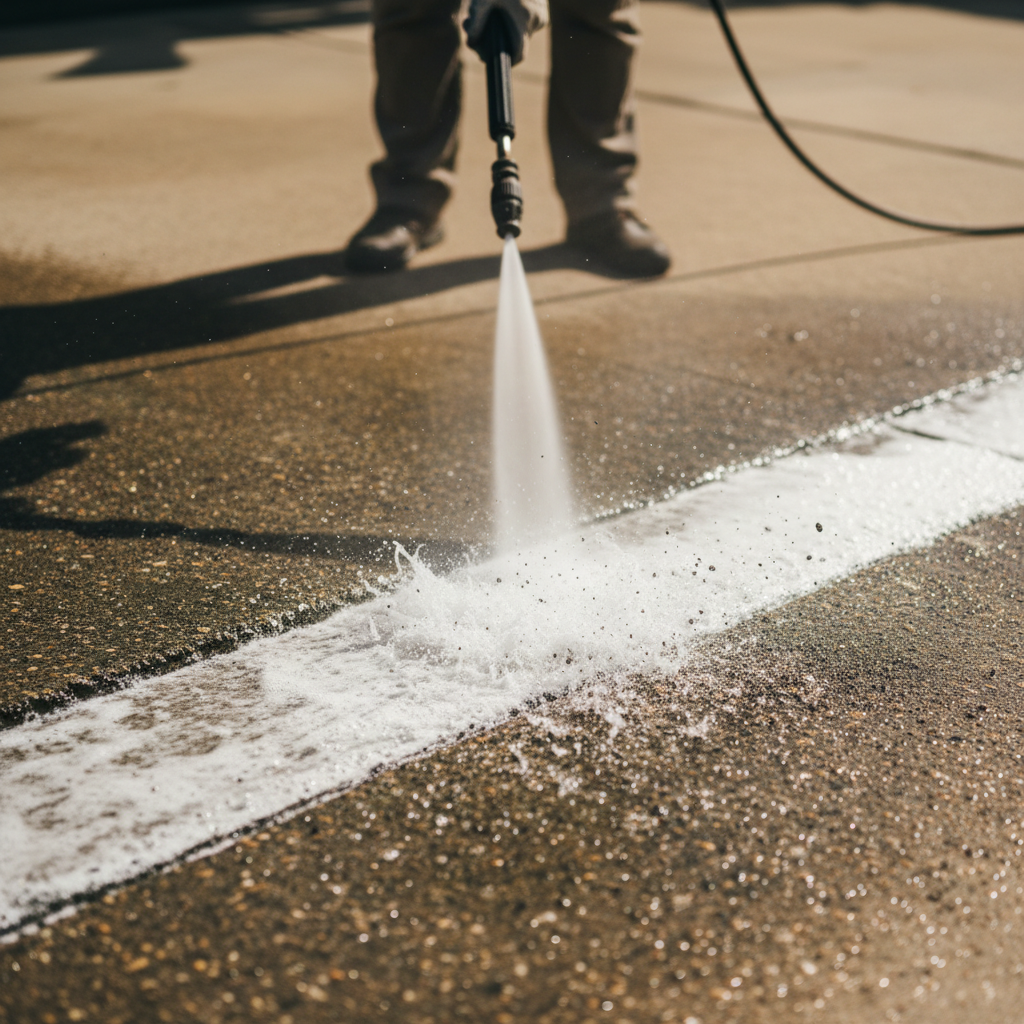
The addition of heat provides a significant advantage when dealing with stubborn substances. However, the intense pressure combined with hot water can be too harsh for some surfaces, so it's important to use power washing carefully to avoid damage.
Choosing the Right Method for Your Needs
When deciding between pressure washing and power washing, consider the type of surface you need to clean and the level of dirt or stains present. For general cleaning tasks or delicate surfaces, pressure washing is often sufficient. If you're dealing with tough stains or heavy buildup, power washing might be the better choice.
It's also important to think about the environmental impact. While both methods use water, power washing may consume more energy due to the need for heating. Consider the trade-offs and choose the method that aligns with your priorities.

DIY or Professional Service?
Many homeowners choose to rent pressure or power washing equipment for DIY projects. However, there are benefits to hiring professionals. Experienced technicians can assess your cleaning needs and use the appropriate method and equipment, ensuring effective and safe results.
Professional services also often use eco-friendly cleaning solutions and techniques, reducing the environmental impact. Whether you decide to tackle the job yourself or hire experts, knowing the differences between pressure and power washing can guide you to make the best decision.