
Pressure Washing vs. Soft Washing: What’s the Difference?


When it comes to maintaining the exterior of your home, two popular methods often come into play: pressure washing and soft washing. Both techniques are effective in their own right, but they serve different purposes and are suitable for different surfaces.
Understanding Pressure Washing
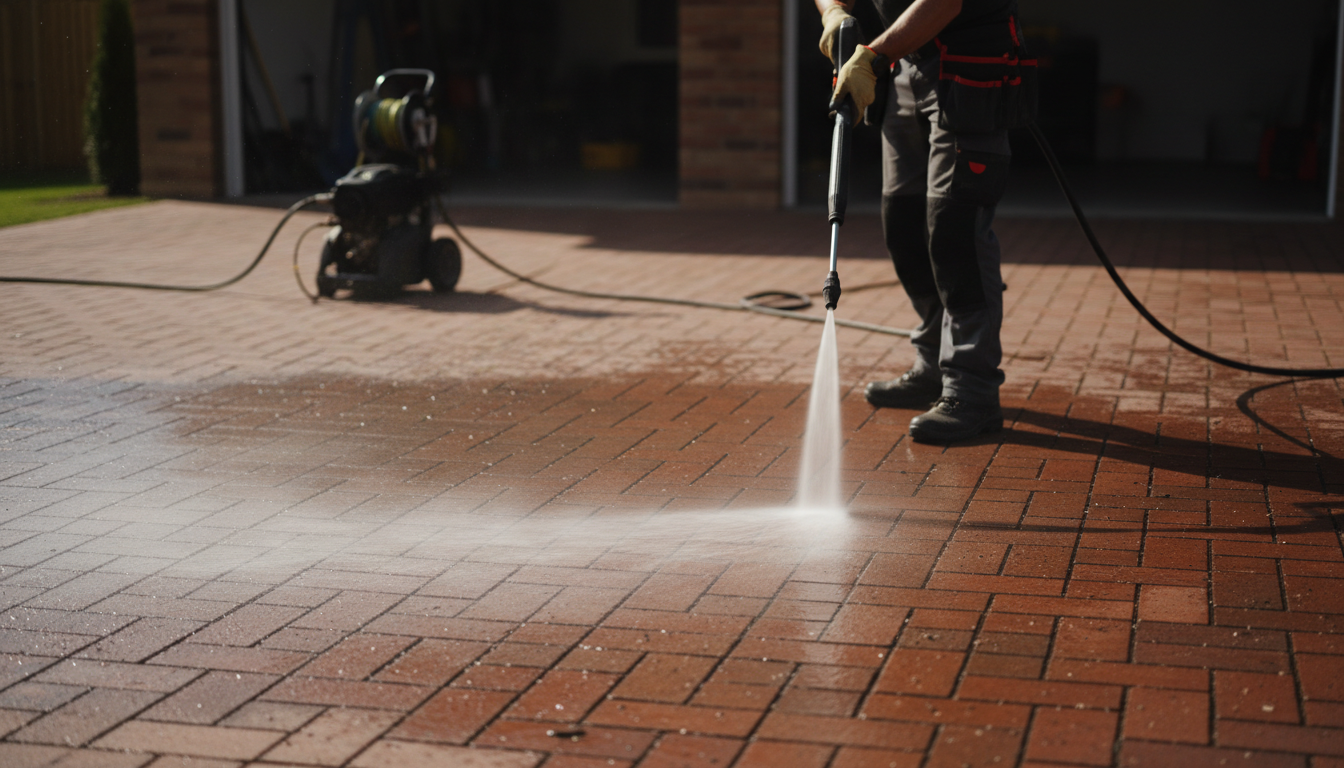
Pressure washing is a cleaning method that uses high-pressure water spray to remove dirt, grime, mold, and other contaminants from surfaces. It's particularly effective for cleaning hard surfaces like concrete, brick, and stone.
The force of the water is what makes pressure washing so effective. However, this same force can sometimes cause damage if used improperly. It's crucial to understand when and where to use this method to prevent any unintended harm to your property.
Advantages of Pressure Washing
Pressure washing is known for its ability to quickly and efficiently clean large areas. Here are some of its main advantages:
- Efficiency: Cleans large areas quickly.
- Deep Cleaning: Removes stubborn stains and buildup.
- Versatility: Suitable for various hard surfaces.
Exploring Soft Washing
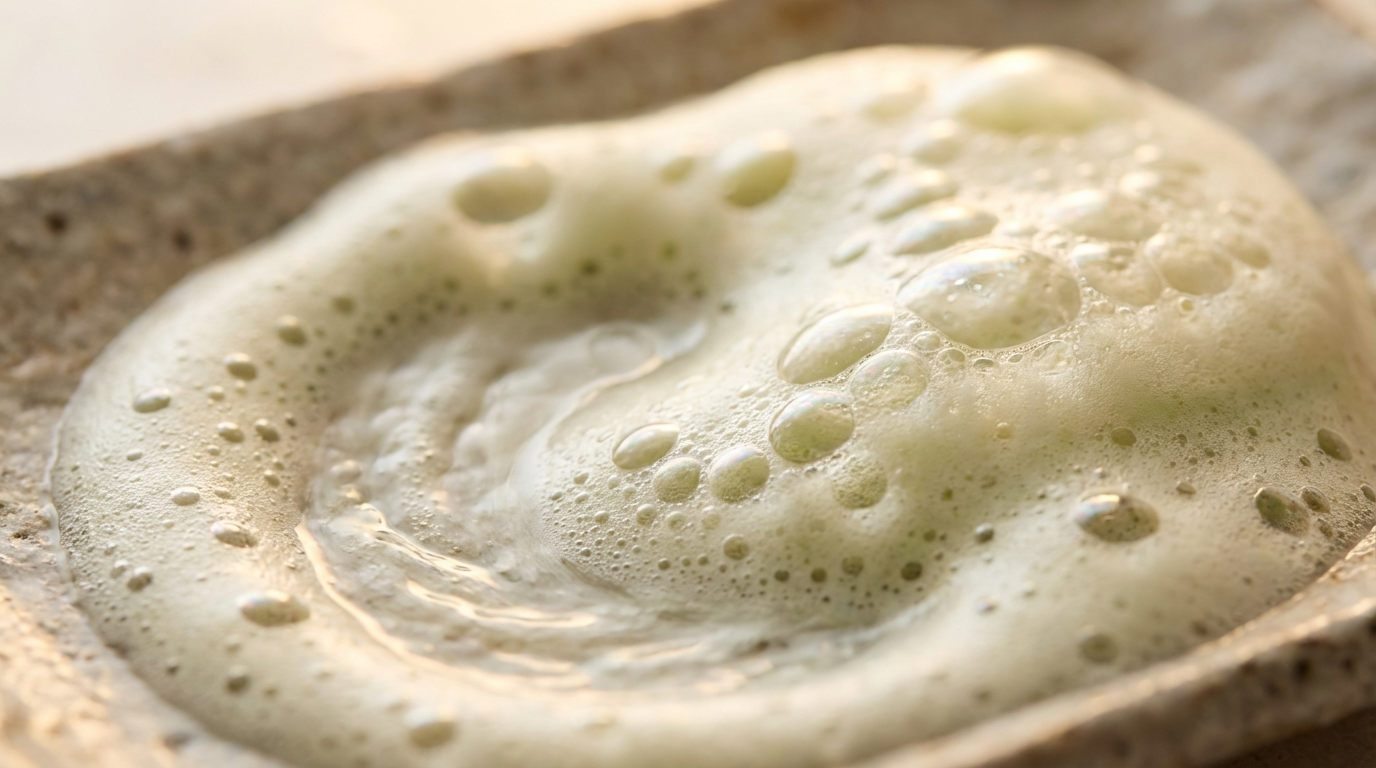
Soft washing, on the other hand, uses a low-pressure spray combined with specialized cleaning solutions. This method is ideal for more delicate surfaces like roofs, siding, and painted areas.
The cleaning solutions used in soft washing are typically biodegradable and designed to break down dirt and organic growth. This makes soft washing a more environmentally friendly option.
Advantages of Soft Washing
Soft washing offers several benefits, especially for more delicate surfaces:
- Gentle Cleaning: Safely cleans delicate surfaces without damage.
- Effective Solutions: Uses specialized cleaners to remove organic growth.
- Environmentally Friendly: Often uses biodegradable products.
When to Use Each Method
Choosing between pressure washing and soft washing depends on the surface and the type of dirt or grime you're dealing with. Here are some general guidelines:
- Pressure Washing: Best for hard surfaces like driveways, sidewalks, and patios where stubborn stains are present.
- Soft Washing: Ideal for roofs, siding, and other delicate surfaces where high pressure could cause damage.
The Importance of Professional Help
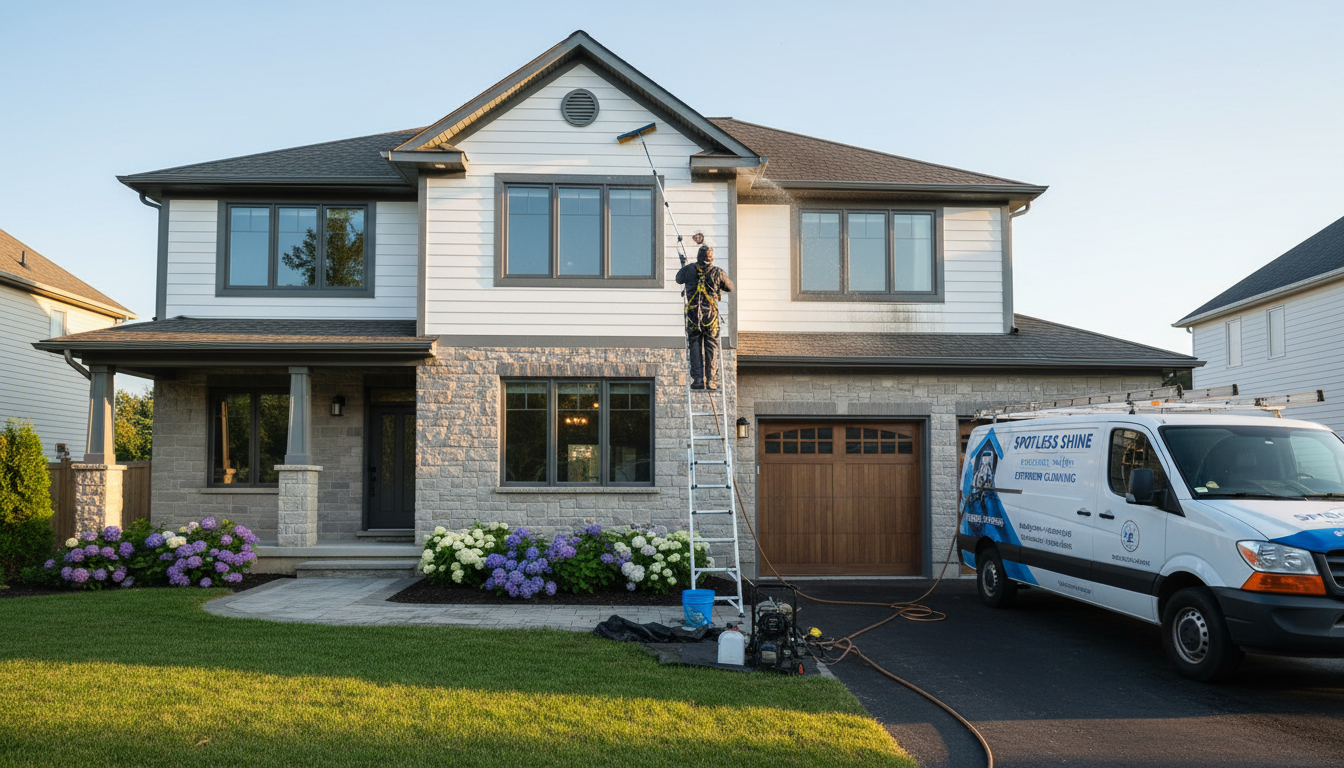
While both methods can be DIY projects, hiring a professional ensures the job is done safely and effectively. Professionals have the experience and equipment to determine the best approach for your specific needs, ensuring your home remains in top condition.
In conclusion, understanding the differences between pressure washing and soft washing can help you make informed decisions about maintaining your home's exterior. Whether you choose one method or a combination of both, keeping your property clean and well-maintained is always a worthwhile investment.