
The Ultimate Guide to Pressure Washing Your Springfield Home


Pressure washing is an essential part of home maintenance, offering a quick and efficient way to clean the exterior of your Springfield home. Whether you're preparing for a fresh coat of paint or simply want to improve curb appeal, understanding the ins and outs of pressure washing can make a significant difference.
Why Pressure Wash Your Home?
Pressure washing removes dirt, grime, mold, and mildew that accumulate over time. This not only enhances the appearance of your home but also extends the life of your siding and paint. Regular cleaning can prevent costly repairs and maintain your property's value.

Choosing the Right Equipment
Types of Pressure Washers
There are two main types of pressure washers: electric and gas. Electric pressure washers are generally lighter, quieter, and suitable for small to medium jobs. Gas pressure washers offer more power, making them ideal for larger surfaces and tough stains.
Pressure Settings and Nozzles
Understanding pressure settings is crucial. Measured in PSI (pounds per square inch), higher PSI means more cleaning power. Nozzles control the spray pattern, ranging from 0 to 40 degrees. A 25-degree nozzle is versatile, suitable for most surfaces.

Preparing Your Home for Pressure Washing
Initial Steps
Before you start, inspect your home for any damaged siding, windows, or screens. These should be repaired or covered to prevent water infiltration. Remove any outdoor furniture or plants that might be in the way.
Safety Precautions
Always wear protective gear, including gloves and safety goggles. Be mindful of electrical outlets and keep water away from them. It's essential to maintain a safe distance from the surface you're cleaning to avoid damage.
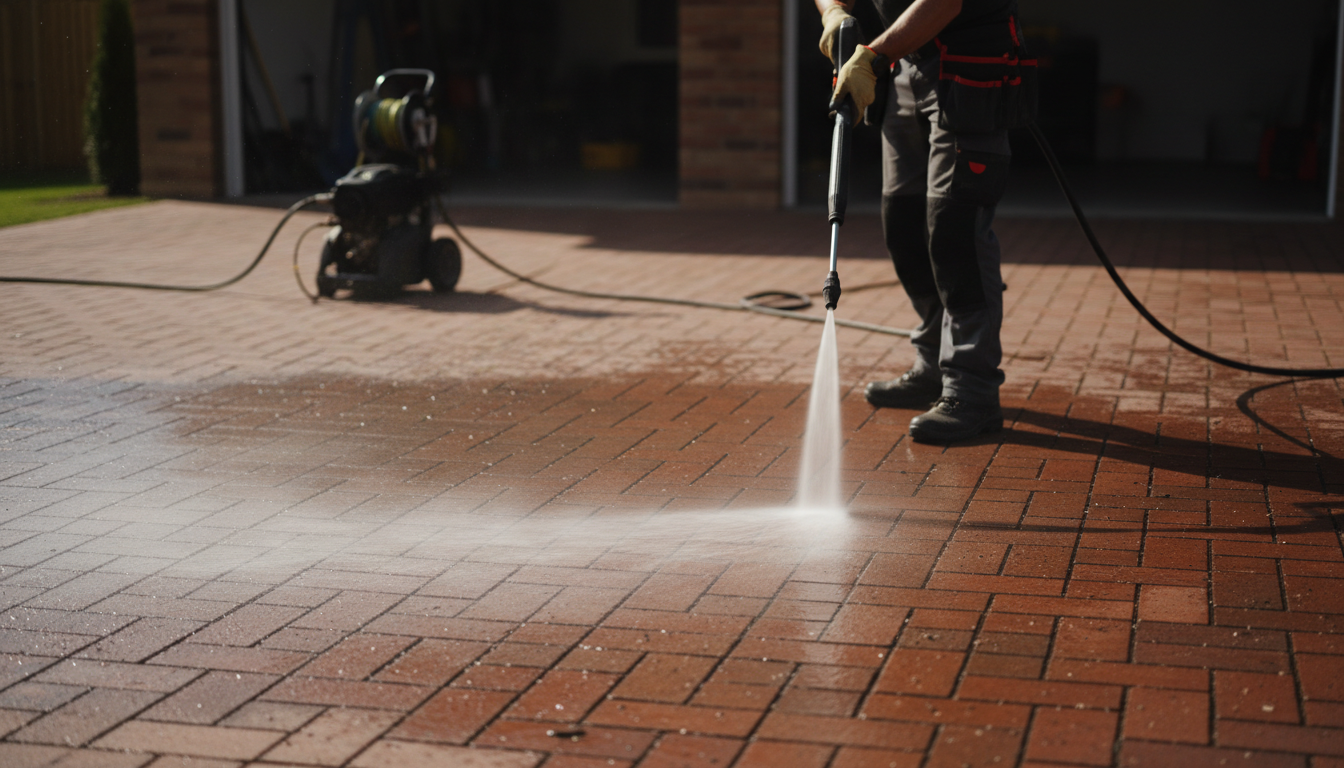
The Pressure Washing Process
Step-by-Step Guide
- Connect the pressure washer to a water source and turn it on.
- Start with a lower pressure setting and a wider nozzle to test on a small area.
- Work from top to bottom, maintaining a consistent distance from the surface.
- Use smooth, overlapping strokes to ensure even cleaning.
Common Mistakes to Avoid
- Using too much pressure, which can damage surfaces.
- Not rinsing thoroughly, leading to soap or dirt residues.
- Ignoring safety measures, risking injury or property damage.
Aftercare and Maintenance
Once you've finished pressure washing, inspect your home for any missed spots or damage. Store your pressure washer properly, ensuring all components are dry to prevent rust. Regular maintenance of your equipment will prolong its life and effectiveness.
By following these guidelines, you'll keep your Springfield home looking pristine and well-maintained. Pressure washing is a powerful tool for any homeowner, and with the right approach, it can enhance both the beauty and longevity of your property.